
Busy worksites involve constant movement, hazards, and shared responsibility. Trucks arrive, tradespeople cross paths, materials are relocated, and the public may pass close by. Temporary fencing gives supervisors a clear method for setting limits before risk spreads beyond control. It protects workers, visitors, neighbours, and valuable equipment through visible separation. Good perimeter planning also makes daily decisions easier, because everyone can see where access begins and danger lies.
Clear Site Boundaries
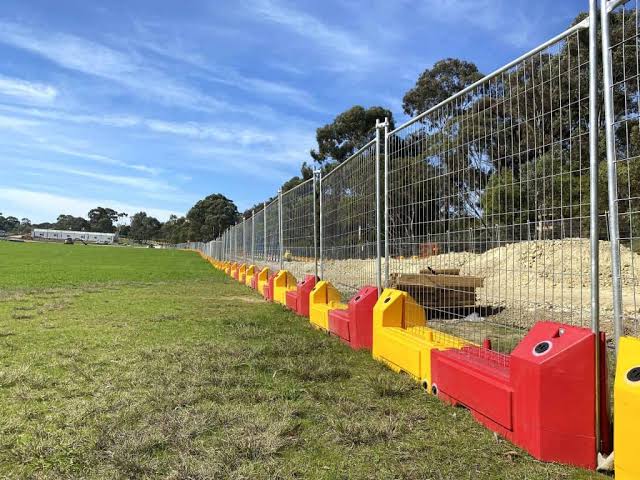
On crowded urban projects, site edges need more than tape or verbal directions. A planned line of temporary fencing in Melbourne helps separate excavation, storage, machinery, and delivery areas from pedestrians or nearby traffic. With gates placed at logical points, crews can manage entry, reduce wandering, and make changing work zones easier to identify.
Safer Movement
Movement patterns affect safety from the first hour on site. Fencing guides workers, drivers, inspectors, and visitors along approved routes. A gate can support sign-in control, while panels keep people away from turning vehicles and open ground. Fewer unexpected crossings mean fewer near misses. Supervisors also benefit from clearer sightlines when access routes remain consistent.
Hazard Separation
Some hazards need distance, not reminders. Trenches, demolition areas, live services, lifting zones, and unstable surfaces all require firm physical separation. Temporary fencing provides that barrier while allowing the layout to change as work progresses. Warning signs can be fixed at eye level, where they are more difficult to miss. When risk changes, panels can be moved before exposure becomes routine.
Asset Protection
Materials and equipment often remain on site long before installation. Cable, timber, fittings, tools, and small machines can disappear quickly from an open area. A fenced perimeter makes casual entry more difficult and shows that the property is actively controlled. Locks, bracing, and lighting reinforce that message after hours. Protecting assets also protects the schedule, because missing components can cause delays.
Public Safety
Worksites are often located near homes, shops, schools, footpaths, or roads. People nearby, especially children or visitors unfamiliar with the area, may not recognise construction hazards. Temporary fencing creates an obvious stop point before someone encounters dust, debris, uneven ground, or moving machinery. A visible barrier reduces accidental entry and limits public exposure. That matters because site safety extends beyond the crew.
Weather Support
Weather can turn a simple boundary into a weak point. Wind loads, rain-softened ground, and vibration from deliveries may loosen panels or feet. Proper bracing, clamps, weights, and level placement areessential for ensuring that the fencing remains stable through changing conditions. Shade cloth can reduce dust drift and add privacy where needed. After storms or heavy traffic, crews should inspect the line before work restarts.
Better Compliance
Regulators expect visible controls for known risks. Temporary fencing helps demonstrate that access, separation, and public exposure have been considered during planning. It also supports incident prevention records. Photos of gates, signs, braces, and perimeter lines can be useful during inspections or internal reviews. Clear control measures make responsibilities easier to explain, especially when several contractors share one active area.
Faster Setup
Permanent barriers rarely suit every stage of construction. Early works, repairs, short closures, fit-outs, and changing excavation zones need a barrier that can move with the job. Temporary fencing can be delivered, installed, adjusted, and removed without major delays. That flexibility helps teams deal with new hazards quickly. It also prevents them from leaving exposed areas open while waiting for fixed structures.
Traffic Control
Vehicle movement creates serious risk on active worksites. Trucks, loaders, forklifts, and utility vehicles need space that does not mix with foot traffic. Fencing helps define loading bays, turning points, and pedestrian routes before congestion builds. Gates can align with traffic controllers or sign-in stations. Better separation gives drivers clearer cues, which reduces sudden braking, reversing conflicts, and confusion at busy entry points.
Night Security
An unattended site can become a target for theft, vandalism, or unsafe entry. Temporary fencing helps close the perimeter and protect unfinished areas overnight. Locked gates and braced corners make patrols more effective. Clear sightlines also help security staff notice movement, damage, or tampering before problems escalate.
Conclusion
Temporary fencing is a practical control measure that provides value across every stage of a busy worksite. It supports safer movement, separates hazards, protects stored materials, and helps keep nearby communities away from construction zones. Its strength lies in planned flexibility, because panels can follow the work as conditions change. With sound gate placement, signs, bracing, and regular checks, site teams can maintain control without adding unnecessary strain.