
Introduction
Rugs add warmth, texture, and character, yet proper care depends on how each piece was made. A hand-knotted wool rug responds very differently from a machine-woven synthetic one. Soil, moisture, and friction can either refresh the surface or weaken fibers, dyes, and backing. The best cleaning method starts with construction, then fiber type, then soil level. That order helps households protect appearance, comfort, and long-term value without avoidable damage.
Construction Comes First
Construction shapes every cleaning decision. Before booking Rug Cleaning in Adelaide, many Adelaide households compare pile density, fringe attachment, dye bleed risk, and foundation material. Those details show whether a rug needs low-moisture care, controlled hand washing, or deeper extraction. Missing that review can leave shrinkage, rough texture, or loose edges after service.
Why Handmade Rugs Need Restraint
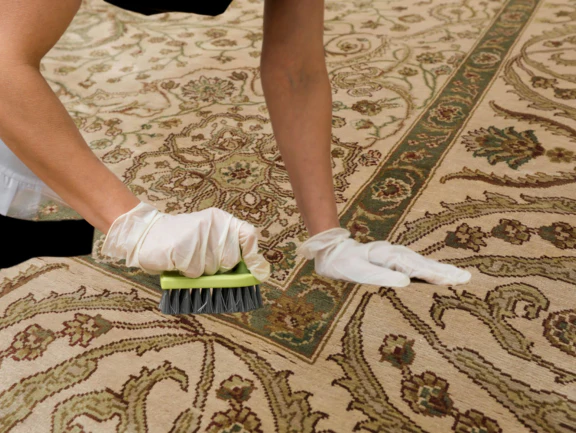
Handmade rugs often use wool, silk, or cotton foundations, with knots tied by hand over many hours. Natural dyes may shift during aggressive washing. Fringe is usually part of the rug structure, rather than added later. Heavy scrubbing can distort the weave, while strong chemicals may dull tone variation. For that reason, handmade pieces usually need gentler handling, limited agitation, and close moisture control.
Why Machine-Made Rugs Allow More Flexibility
Machine-made rugs are usually built with synthetic fibers, latex backing, and uniform construction. That setup often allows faster, more predictable cleaning. Polypropylene and nylon resist many common stains better than silk or untreated wool. Still, faster care does not mean careless work. Excess water can weaken glue lines, while harsh heat may curl edges or stiffen the backing after drying.
Dry Soil Removal Matters Most
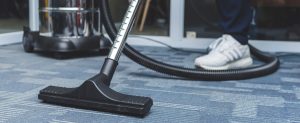
Most rug soil is dry particulate matter, not visible staining. Sand, grit, and dust settle deep into the pile and grind against fibers with foot traffic. Proper vacuuming removes much of that wear before any wet step begins. Handmade pieces often need suction without rotating brushes. Machine-made rugs can usually tolerate stronger mechanical removal, provided the pile remains stable and the edges stay intact.
Moisture Should Match The Build
Water use should match fiber absorbency and structural strength. Wool can hold a large amount of moisture, which raises drying risk if washing is heavy. Silk reacts even more cautiously and can lose sheen under rough treatment. Synthetic rugs usually release water faster, though backing layers may trap dampness. Controlled application is safer than saturation in almost every case, especially indoors.
Stains Need Different Tactics
Stain response changes with both fiber and dye type. Protein stains, pet accidents, and tannin marks each need a separate treatment path. Handmade rugs often benefit from spot work with mild agents and careful blotting. Machine-made options may handle broader stain chemistry with less risk. Speed still matters for both categories, since older spills bond deeper and leave odor or color residue.
Drying Protects Shape And Feel
Drying is where many rug problems begin. Slow evaporation can cause musty odor, color migration, or backing stress. Flat drying with airflow helps handmade rugs keep their shape and texture. Machine-made rugs may dry faster, yet trapped moisture near latex layers remains a concern. Grooming after drying also matters, since pile direction affects how clean, even, and soft the surface appears.
Cleaning Frequency Should Reflect Use
Cleaning frequency should reflect traffic, pets, allergies, and placement. Entry rugs collect grit quickly and often need more frequent maintenance. Bedroom rugs usually face lighter soil loads, though dust still builds gradually. Handmade rugs in busy zones benefit from routine inspection before damage becomes obvious. Machine-made pieces in dining areas may need quicker stain service because spills are common and repeated.
Picking The Safer Method
The safer method is the one that respects material limits. Hand washing, low-moisture cleaning, and controlled extraction each have a place. Labels can help, but age, repairs, and previous cleaning history matter just as much. A short pre-test for dye stability and fiber reaction is often worth more than bold marketing claims. Careful assessment usually prevents the most expensive mistakes.
Conclusion
Handmade and machine-made rugs may share a room, yet they rarely share the same cleaning needs. Handmade pieces usually require slower methods, lighter chemistry, and stronger drying control. Machine-made rugs often allow more practical treatment, though backing and heat still deserve caution. The right choice depends on construction, fiber, dye behavior, and use patterns. Households that match method to material keep rugs cleaner, safer, and attractive for longer.