
Introduction
Older Ealing properties often possess attractive proportions, period details, and solid construction. Yet, tired walls can make rooms appear neglected, uneven, or smaller than they are. Cracks, loose coatings, water marks, and dated textures commonly affect visual appeal. Careful plastering can restore smoother surfaces while respecting original character. The right finish also prepares rooms for fresh paint, improved lighting, and updated furnishings, helping established homes feel cleaner, brighter, and more comfortable.
Restoring Tired Walls
Older Ealing homes often show wear after years of decorating, repairs, and everyday use. Uneven surfaces can draw attention away from attractive fireplaces, timber floors, or high ceilings. A professional assessment identifies hollow areas, fine cracks, damp damage, and weak sections before work begins. For suitable rooms, plastering ealing can create a consistent base without removing every historic feature. This balance preserves character while giving interiors a fresher appearance.
Smoothing Uneven Surfaces
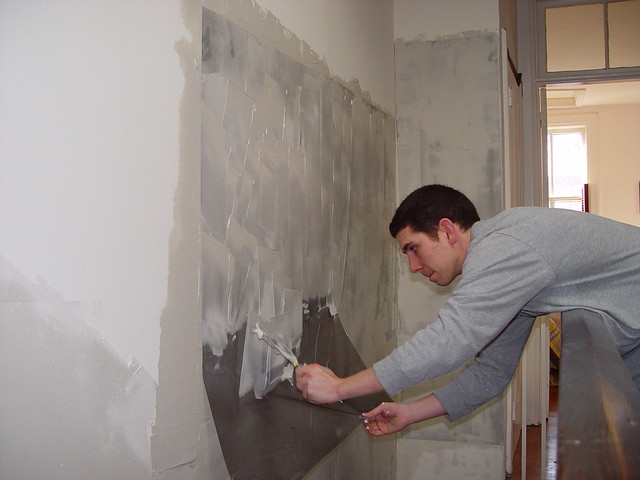
Walls with bumps and shallow dips affect how light travels across a room. Shadows can make modest defects appear larger, especially beside windows or strong lamps. Skim plaster provides a fine, level coating over sound backgrounds. The result is a calmer visual line, which helps furniture, artwork, and architectural features appear more balanced. Smooth walls also make later painting easier, with fewer visible marks beneath a chosen colour.
Repairing Cracks and Holes
Small cracks often develop around door frames, ceiling edges, and areas affected by settlement. Previous electrical work, removed shelving, and relocated radiators may leave additional holes. Patch repairs can deal with isolated damage, while wider movement may require a more careful treatment. Filling defects alone may produce a short-term improvement. Proper preparation, suitable materials, and controlled drying create a cleaner surface with a lower risk of visible repairs returning quickly.
Refreshing Ceilings
A ceiling strongly affects a room’s overall condition. Stains, loose patches, peeling paint, and dated textured coatings can make an otherwise attractive interior feel old. Replastering or applying a new skim can produce a brighter, more uniform finish. Damaged sections should be checked first, especially after leaks or previous movement. A sound ceiling improves reflected light, helping rooms feel taller and more open without changing their layout.
Preserving Period Character
Older Ealing homes may include coving, ceiling roses, archways, and decorative cornices. Removing these details can reduce a property’s visual identity. Skilled plasterwork can repair chips, recreate missing sections, or integrate new surfaces around existing features. Lime-based materials may suit certain traditional buildings because they allow greater moisture movement than some modern coatings. Material choice should reflect the building’s age, condition, and ventilation.
Improving Natural Light
Surface condition changes how daylight appears indoors. Rough plaster scatters light unevenly, while dark stains absorb it and make corners seem dull. A pale, well-finished coating reflects illumination more consistently across walls and ceilings. This effect can make smaller reception rooms feel more welcoming during daytime hours. Better surfaces may also reduce reliance on strong artificial lighting, supporting a cleaner appearance without major structural alterations.
Supporting Colour Changes
Fresh paint cannot conceal serious ridges, dents, or loose plaster. Any uneven base may remain visible after several coats, particularly with satin or darker finishes. Plastering prepares the surface for a more controlled decorating result. Homeowners can then consider warm neutrals, muted greens, soft blues, or stronger feature colours with greater confidence. A stable background helps paint appear even, reducing the chance of costly corrective work.
Addressing Water Damage
Water marks often indicate a problem that requires attention before cosmetic work begins. Leaking pipes, roof faults, failed seals, or condensation can weaken plaster and encourage staining. Once the source has been corrected and the area has dried, damaged material can be removed and replaced. This approach improves appearance while reducing the chance that fresh decoration will conceal an active defect. Ventilation remains important after completion.
Creating a Cleaner Finish
Plastering can connect separate repair areas, producing a more unified appearance across a room. This matters where walls contain several patches from different building stages. Consistent texture makes the interior feel better cared for, even before decoration starts. Careful covering, preparation, and clean working practices also help protect floors and furnishings. A tidy finish supports the impression of quality throughout the property.
Conclusion
Plastering offers older Ealing properties a practical way to improve appearance without losing their established character. Smooth walls, repaired ceilings, refreshed details, and suitable materials can make interiors look brighter and better maintained. Good preparation remains essential, particularly where cracks, moisture, or loose coatings are present. With appropriate surface treatment, period homes can gain a cleaner finish, stronger decorative foundation, and more comfortable visual appeal for residents and visitors.