
Introduction
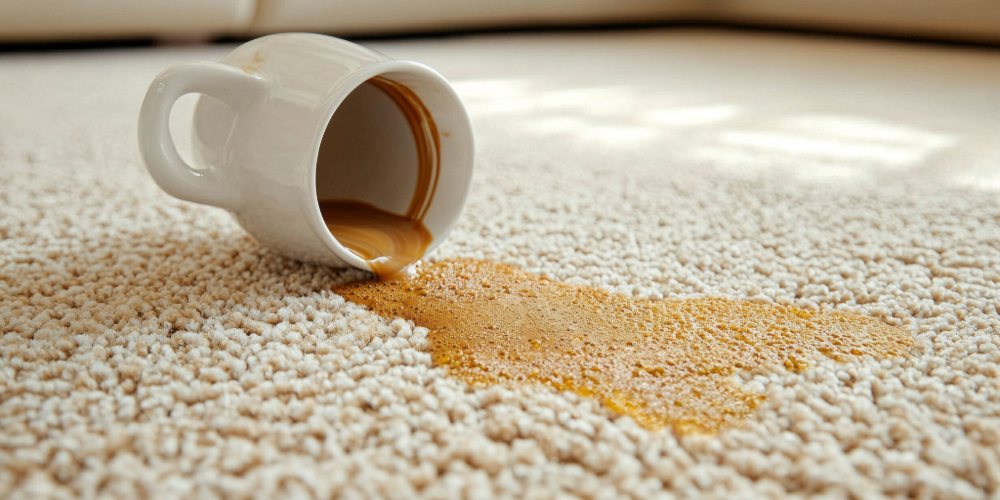
Coffee and tea can leave brown marks that become harder to remove after drying. Heat, milk, sugar, and tannins may push residue deeper into carpet fibres. Quick action usually produces better results than aggressive scrubbing. A measured process protects texture and colour while lifting the spill. This guide explains practical steps, suitable household mixtures, timing targets, and warning signs that indicate professional treatment may offer a safer result for valuable flooring.
Act Quickly After Spills
Fresh liquid gives people the best chance of preventing a permanent mark. Place a white towel over the area and press gently for several seconds. Repeat with a dry section until little moisture transfers. For wider support, carpet cleaning south brisbane may help households address stubborn beverage marks without relying on harsh home remedies. Prompt blotting limits spread and reduces the amount absorbed below the surface.
Check the Carpet Fibre
Fibre type affects the safest cleaning method. Wool can react poorly to strong alkaline products, excess water, or heat. Synthetic materials often tolerate mild detergent, but colourfastness still needs testing. Homeowners should check care labels before applying liquid. If no label exists, a small hidden patch can reveal colour transfer, texture changes, or fading before treatment reaches a visible section.
Remove Solid Residue
Sugar, milk, cream, and flavouring can leave sticky material after the liquid dries. A blunt spoon can lift crusted particles without cutting the pile. Vacuuming afterwards removes loose grains and prevents them from spreading during wet treatment. Sticky residue may need several gentle passes. Rubbing too early can force particles deeper and create a larger mark around the original spill.
Prepare a Mild Solution
A basic mixture can suit many synthetic carpets. Add one teaspoon of clear dishwashing liquid to 500 millilitres of lukewarm water. Avoid coloured detergent, bleach, ammonia, and strong disinfectants. These products may leave a new stain or affect dye stability. Fresh solution is preferable because old mixtures can contain residue that attracts soil after the carpet dries.
Test Before Applying
Testing protects the surrounding pile from unexpected reactions. Dab a small amount of mixture onto an unseen corner, then press a white cloth over it. Check the cloth and fibres after one minute. No colour transfer is a useful sign, but it does not guarantee complete safety. Homeowners should stop immediately if dye appears, texture changes, or a chemical smell develops.
Treat the Mark
Apply the solution to a white cloth rather than pouring it directly onto the carpet. Work from the outer edge toward the centre to reduce spreading. Press, lift, and inspect the cloth after each pass. Fresh sections should replace saturated areas. This method transfers residue into fabric instead of pushing liquid across nearby fibres or into the backing.
Manage Stubborn Rings
A visible edge can form when moisture dries unevenly. Lightly dampen the surrounding area with clean water, then blot from the outside inward. The aim is even moisture, not saturation. A dry towel should follow each pass. If a ring remains after drying, repeated treatment may worsen the mark, so professional assessment becomes a sensible next step.
Rinse and Dry Fully
Cleaning solution should not remain in the pile. Use a separate cloth dampened with clean water to collect leftover detergent. Follow with several dry towels, applying steady pressure. Good airflow speeds evaporation, while fans can help move moisture across the surface. Furniture should stay away until the area feels dry. Damp backing can create odour, flattening, or later discolouration.
Handle Milk-Based Drinks
Latte, chai, and sweetened tea need extra care because proteins and sugars remain after water evaporates. First remove moisture, then lift sticky residue with the mild detergent mixture. A second clean-water pass helps reduce leftover film. Odour may develop if milk reaches the underlay. Persistent smell, darkening, or a damp base calls for specialist equipment rather than repeated soaking.
Avoid Common Mistakes
Hot water can set some marks and may shrink sensitive fibres. Hard brushing can damage pile direction and spread colour. Paper towels may break apart, leaving pale fragments behind. Strong powders can leave gritty residue that attracts soil. Mixing cleaning chemicals also creates unsafe fumes. Simple ingredients, light pressure, and controlled moisture usually produce a safer result than forceful treatment.
Know When to Seek Help
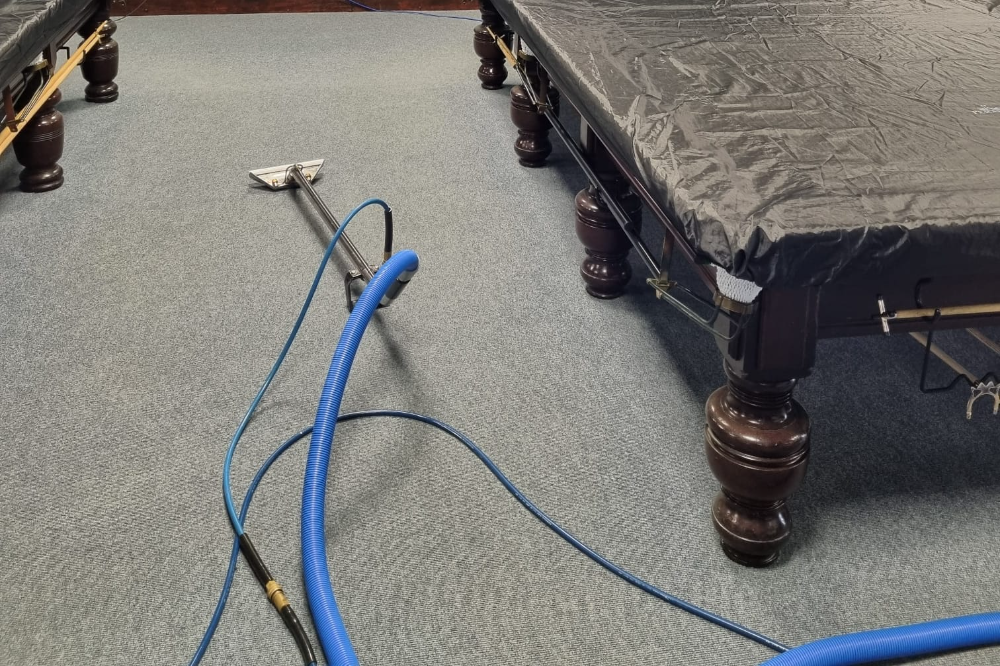
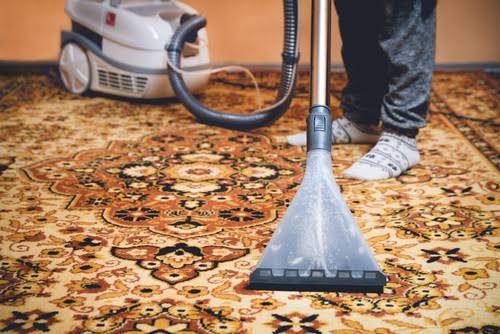
Professional assistance is useful when a stain covers a large area, remains after two careful attempts, or reaches the carpet backing. Specialist equipment can extract embedded liquid without leaving excess moisture. Valuable rugs, pale carpets, wool fibres, and old marks deserve added caution. A prompt assessment may prevent repeated home treatments from fixing the colour permanently or damaging the pile.
Conclusion
Coffee and tea stains respond best to speed, restraint, and the correct sequence. Blotting removes fresh liquid, while a mild tested solution can address remaining residue. Careful rinsing and complete drying protect fibre condition and reduce later odour. Milk, sugar, wool, and older marks require extra attention. If colour transfers or moisture sinks below the surface, trained help may protect the carpet more effectively than repeated household treatments.