
Introduction
Basement and foundation protection deserve careful planning because hidden moisture can weaken concrete, damage finishes, and create unhealthy indoor conditions. A suitable contractor should examine the site, identify entry points, explain repair options, and provide written costs. Property owners can make better decisions by checking qualifications, materials, guarantees, insurance, and previous work. This guide outlines practical checks for selecting a capable specialist for Auckland homes and commercial buildings before excavation or internal lining begins.
Identify Moisture Risks
Moisture entry may start beside retaining walls, under slabs, around service penetrations, or through cracks. Early signs include damp odours, peeling coatings, salt deposits, and recurring puddles. A qualified waterproofing company in Auckland can assess the source, test affected surfaces, and match a membrane or drainage response to the building’s condition, access limits, and intended use. Clear findings help owners avoid cosmetic fixes that leave hidden pathways untreated.
Check Relevant Experience
Basement work differs from bathroom or roof projects. Subterranean areas face soil pressure, hydrostatic force, poor ventilation, and restricted access. Foundation repairs may also require careful treatment around joints, penetrations, and structural cracks. A contractor with residential and commercial experience should explain similar completed projects. Photographs, references, and clear case details provide stronger evidence than broad claims about general building work.
Request a Detailed Inspection
An initial visit should include more than a quick visual check. The specialist should inspect interior walls, floor edges, drainage points, external ground levels, and nearby plumbing. Moisture meters can help locate damp zones, although readings need proper interpretation. Written notes should identify the suspected source, affected areas, proposed preparation, and any need for excavation. This record gives property owners a useful basis for comparing recommendations.
Review Materials and Methods
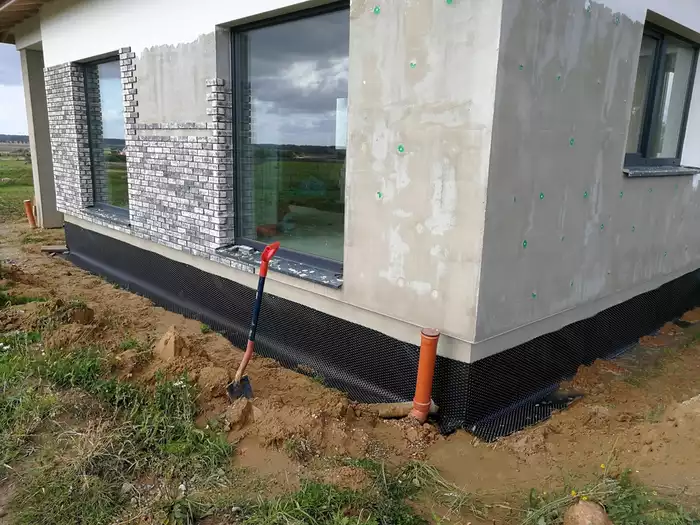
Reliable results depend on surface preparation and correct product selection. Ask whether the proposal includes crack repair, joint treatment, primer, membrane application, protection boards, drainage, or sealants. The contractor should explain where each material will be used and how layers will connect. High-quality membranes may suit some conditions, while drainage improvements may be necessary elsewhere. Product data sheets and application instructions should be available.
Compare Quotes Carefully
A low price may omit preparation, removal, drying time, access equipment, or waste disposal. Each quotation should list labour, products, excavation, drainage, reinstatement, tax, and expected duration. Owners should check whether the price covers the complete task or only visible patching. Three comparable proposals can reveal missing items and unusual allowances. Payment stages should relate to measurable progress, rather than requiring a large advance.
Verify Credentials and Insurance
A reputable business should provide registration details, relevant training records, and public liability cover. Workers handling membranes or structural repairs should understand manufacturer requirements and local building expectations. Insurance protects both parties if accidental damage occurs during excavation or installation. Property owners should also confirm who will manage subcontractors. Clear responsibility reduces confusion if several trades work around the same foundation.
Examine Guarantees and Maintenance
A written guarantee should state the covered work, duration, exclusions, and process for reporting a defect. It should also clarify whether coverage depends on regular maintenance or another contractor’s work. Basement systems may need clean gutters, functioning drains, and open discharge points to perform properly. A dependable provider explains these duties before installation. Records of products, photographs, and completion notes can support future repairs or property sales.
Assess Communication and Timing
Good communication begins with a clear written scope. The contractor should explain preparation, noise, dust, access restrictions, drying periods, and likely disruption. Regular updates help occupants plan storage, parking, and temporary relocation. Delays should be reported early, with revised dates recorded in writing. A professional team also leaves the area tidy and checks that water exits safely after the work finishes.
Conclusion
Choosing a basement and foundation specialist requires evidence, clear pricing, suitable materials, and realistic project information. Property owners should investigate moisture sources before accepting repairs, compare complete quotations, and confirm insurance and guarantee terms. Experience with membranes, drainage, concrete, and restricted-access areas can improve the final result. Careful questions also reveal how a contractor communicates after payment. These checks help protect the building, control expenses, and reduce the chance of repeated damp problems.