
Introduction
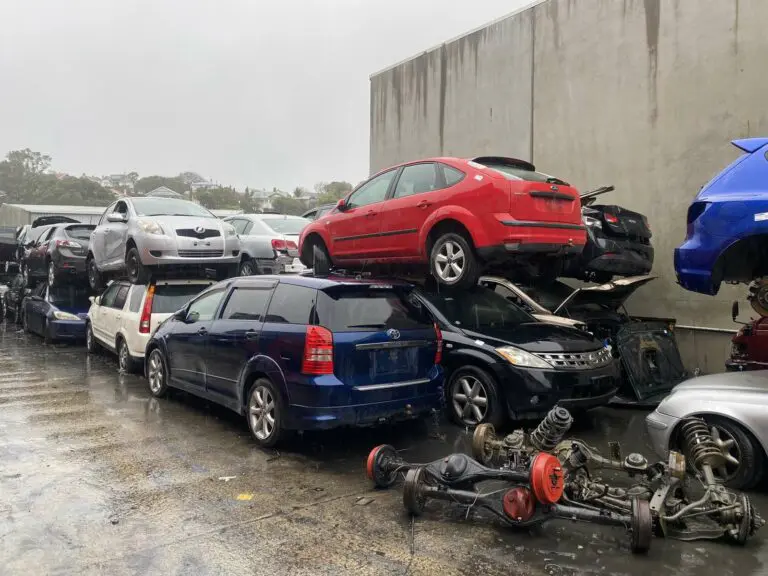
An old vehicle can occupy valuable space, consume repair money, and create disposal concerns. Responsible recycling offers a practical alternative to leaving damaged metal in a driveway or sending useful components to landfill. Car wreckers assess each unit, recover workable parts, drain harmful fluids, and direct remaining material into approved recycling streams. This process supports resource recovery, reduces waste, and gives owners a clearer exit for unwanted transport. It can also support local repair markets through lower-cost components.
A Practical Removal Process
Before a damaged car reaches a dismantling yard, its condition, age, make, and parts value receive an assessment. Perth residents comparing removal options can review Car Wreckers in Perth as one local example. Such operators arrange towing, manage transfer records, and separate reusable items from scrap. A clear quote should explain payment, timing, and documents before pickup occurs.
Recovering Useful Components
Many end-of-life cars still contain valuable equipment. Engines, gearboxes, alternators, wheels, mirrors, seats, lights, and electronic modules may suit other repairs. Technicians test selected components before resale, helping buyers find affordable replacements. This practice also reduces demand for newly manufactured items, saving raw materials and production energy. Arya Auto Removals reports accepting cars, vans, trucks, buses, and four-wheel drives in varied conditions.
Managing Fluids Safely
Old vehicles contain engine oil, coolant, brake fluid, transmission fluid, fuel, and refrigerants. Poor handling can contaminate soil, drains, and waterways. Licensed dismantlers use controlled draining methods, labelled containers, and approved disposal channels. Batteries also require careful treatment because their chemicals and heavy metals present health risks. Proper fluid recovery protects nearby properties and supports safer vehicle recycling across Perth.
Separating Metals and Glass
Steel, aluminium, copper, and other metals retain significant material value after dismantling. Crushers and sorting equipment prepare these resources for processing at metal recovery facilities. Glass, tyres, plastics, and wiring can follow separate collection paths. Arya Auto Removals states that up to 95 percent of each vehicle gets repurposed. That reported figure shows how careful separation can reduce landfill volume.
Supporting Circular Material Use
Recycled vehicle materials can return to manufacturing after suitable processing. Recovered steel may become construction material, while aluminium can support new components. Reused parts extend product life and reduce pressure on mineral supplies. This approach also limits energy use linked with extracting and refining fresh resources. Each recovered component gives an unwanted car a useful role beyond its original service.
Making Disposal Traceable
Responsible wrecking involves more than removing a vehicle from private property. Owners may need deregistration support, transfer records, or a destruction certificate. Clear documentation helps prevent future registration problems and confirms that the vehicle left the seller’s control. Arya Auto Removals lists paperwork assistance and a Certificate of Destruction among its disposal services. Records should remain with the owner after collection.
Checking a Recycling Provider
A suitable operator should explain its acceptance policy, collection area, payment terms, and recycling methods. Providers should also clarify towing charges, inspection steps, and fluid management. Arya Auto Removals reports free pickup within 50 kilometres of Perth’s central business district, same-day or next-day collection, and payment after inspection. These stated details give vehicle owners useful points for comparison before booking.
Measuring Environmental Benefits
The inspected provider reports more than 1,500 recycled cars and 2,429 removals during the current year. Its website also promotes free collection, licensed recycling, and reduced landfill impact. Such figures come from the provider’s own published material, so they should be treated as service claims rather than independent industry statistics. Even so, transparent reporting helps owners assess practical recycling outcomes.
Conclusion
Car wreckers provide a responsible route for vehicles that no longer offer safe, affordable, or practical transport. Their work combines parts recovery, fluid control, metal sorting, document handling, and material reuse. These steps can reduce landfill pressure while making replacement components more accessible. Vehicle owners can support better disposal by checking licences, requesting clear terms, retaining paperwork, and choosing operators that explain how each car will be processed after collection.