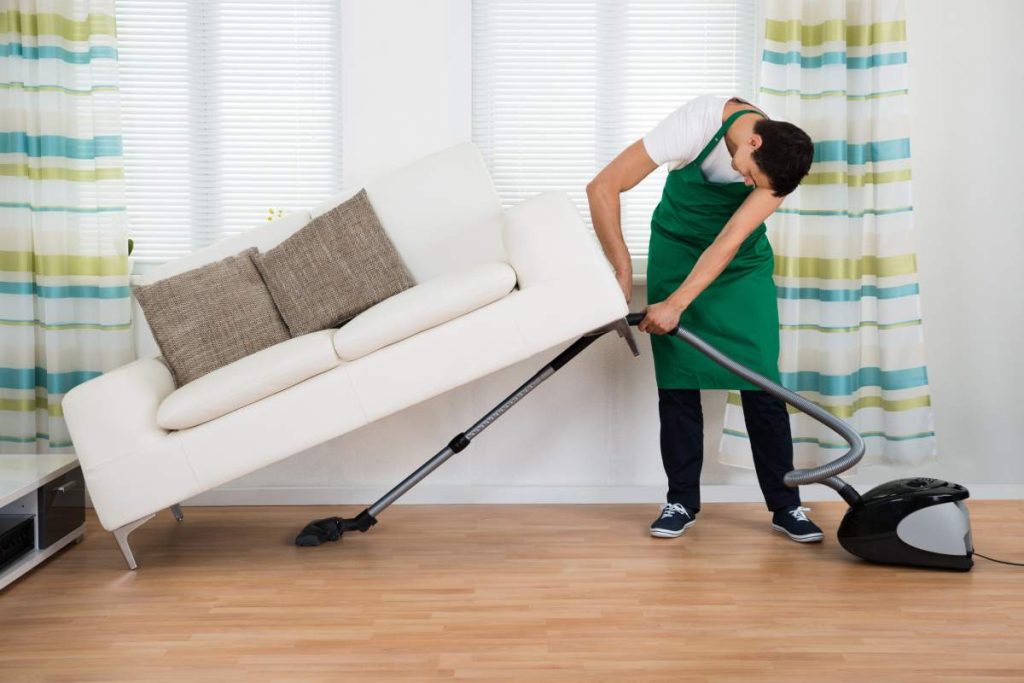
Moving furniture can be both exciting and challenging. While the thought of arranging a new space may bring joy, the process of moving heavy and valuable items often leads to errors. Simple mistakes can result in damage to belongings, injury, or unnecessary stress. Understanding common missteps helps make the process smoother, safer, and more efficient.
Underestimating the Difficulty of Moving Furniture
One frequent error is assuming that moving furniture is easier than it truly is. Many individuals believe they can lift or maneuver large pieces without assistance. However, heavy furniture often requires more than strength alone. Proper technique, planning, and sometimes professional help are necessary. Ignoring this can lead to strained muscles, back injuries, or scratched floors. Using appropriate equipment such as dollies, sliders, and straps significantly reduces the physical burden.
Another misjudgment involves the weight and size of items. Estimating incorrectly may cause insufficient manpower during the move. Breaking down tasks into manageable steps and seeking help when needed can prevent accidents. Even smaller pieces of furniture may prove awkward if carried alone, creating an unexpected risk for injury.
Lack of Proper Planning
Failure to plan adequately is a common cause of moving mishaps. Many start the process without a clear strategy, resulting in delays and frustration. Planning involves measuring doorways, hallways, and elevators to ensure furniture can pass without damage. It also requires mapping out the moving route, including potential obstacles.
Packing techniques also fall under planning. Unsecured drawers, doors, or loose components can shift during transport, leading to scratches or broken parts. Removing detachable elements and wrapping items with blankets or protective materials helps maintain their condition. A structured approach prevents chaos and reduces the likelihood of costly mistakes.
Ignoring the Use of Protective Materials
Skipping protective measures often results in damage to furniture or property. Bare surfaces can scratch walls, floors, and other items during lifting or transport. Wrapping furniture with moving blankets, bubble wrap, or padding protects both the items and the surroundings.
Corners and edges are particularly vulnerable. Applying corner protectors or extra padding minimizes the risk of chips or dents. Proper protection also ensures that items retain their appearance and functionality once placed in the new location. Investing time in securing furniture avoids potential regrets later.
Overpacking or Improper Packing
Another frequent error occurs when furniture is overpacked with items inside or around it. Drawers filled with heavy objects can strain the structure or break during transport. Similarly, stacking items on top of delicate furniture increases the risk of damage.
Heavy items should be removed before moving, and lighter items packed separately. Securing smaller components in labeled boxes ensures nothing is lost and keeps the moving process organized. Properly distributed weight reduces strain on movers and minimizes the chance of tipping or falling furniture.
Neglecting the Right Equipment
Attempting to move furniture without the correct tools is a common mistake. Sliders, lifting straps, and dollies are not optional; they are essential for safe handling. Using furniture sliders allows heavy items to glide across floors, reducing the risk of scratches or injury. Lifting straps help distribute weight evenly, easing the strain on the back.
Relying solely on physical strength increases the probability of accidents. Even experienced movers benefit from equipment that simplifies handling. Ensuring the right tools are available before starting the move prevents unnecessary delays and frustration.
Not Securing Furniture During Transport
Securing furniture inside a moving vehicle is crucial. Loose items may shift during transit, causing damage to themselves or other belongings. Straps, ropes, or bungee cords should be used to stabilize furniture. Large items should be placed against walls of the moving van to minimize movement.
Failing to secure items properly may also pose safety risks to drivers and others on the road. Even slight movement can alter vehicle balance, particularly with heavy pieces. Checking the stability of each item before driving ensures a safer journey.
Poor Communication Among Movers
When multiple people are involved, miscommunication can lead to accidents. Lack of clear instructions may result in furniture being lifted incorrectly or dropped. Coordinating roles and responsibilities reduces confusion and prevents injuries.
Establishing signals or commands for moving steps enhances efficiency. Everyone should understand the plan, including breaks, lifting techniques, and placement of items. Clear communication ensures a smooth, safe, and well-organized moving process.
Ignoring Professional Assistance
Some individuals attempt to handle large or valuable furniture independently, assuming they can manage without help. This approach often backfires. Professionals understand proper lifting techniques, safety protocols, and how to navigate challenging spaces.
Hiring experts is not about convenience but about reducing risk. Professional movers can handle items that may otherwise be damaged or cause injury. Many companies offer specialized support, such as careful disassembly and reassembly of complex furniture. For those seeking a reliable option, searching for furniture moving services in Auckland provides access to trained professionals with experience handling diverse items.
Failing to Check Furniture Before and After the Move
Another mistake is neglecting inspection of furniture before and after the move. Checking for existing damage prior to moving establishes a record and helps prevent disputes. After the move, inspecting items ensures that any new damage is noticed promptly.
This step also allows quick adjustments or repairs, minimizing long-term impact. Small scratches or dents can be addressed immediately, preserving both the appearance and value of furniture.
Disregarding Personal Safety
Furniture moving involves physical exertion and potential hazards. Focusing solely on the items rather than personal safety is a common oversight. Wearing gloves, supportive footwear, and comfortable clothing reduces the risk of injury.
Additionally, knowing one’s limits is essential. Attempting to lift items beyond one’s capacity can cause serious back or joint injuries. Taking breaks, staying hydrated, and using proper lifting techniques prioritizes health while ensuring the move proceeds smoothly.
Misjudging Space and Layout
Placing furniture without considering room dimensions or layout leads to frustration and wasted effort. Measuring spaces in advance allows proper planning of placement and avoids moving items multiple times.
Understanding the flow of each room also helps. Doors must open freely, and furniture should not obstruct walkways. Visualizing placement before moving prevents mistakes and saves time.
Conclusion
Furniture moving requires careful planning, preparation, and attention to detail. Mistakes often occur due to underestimating difficulty, ignoring safety, and neglecting proper equipment. Avoiding these errors ensures that items remain intact and that the moving process is efficient.
Taking precautions such as using protective materials, securing items during transport, and coordinating among movers enhances safety and reduces stress. Consulting trained professionals when necessary can further protect both belongings and individuals.
By recognizing and addressing these common pitfalls, moving furniture becomes a smoother and more successful experience. Careful preparation and thoughtful execution allow both homes and offices to enjoy a transition without damage, injury, or unnecessary frustration.