
Why Busy Premises Need a Different Cleaning Plan
High-traffic commercial spaces collect dust, soil, moisture, and germs at a faster rate than quiet offices. Visitors, employees, deliveries, and shared equipment all affect hygiene levels. Professional cleaners respond with measured routines rather than occasional surface wiping. Their methods focus on movement patterns, contact points, floor conditions, washrooms, and visible presentation. Each task receives a suitable frequency, product, and technique, helping businesses maintain safer premises throughout every working day.
Assessing Movement and Usage Patterns
Before work begins, cleaning teams review entrances, reception areas, lifts, corridors, kitchens, washrooms, and staff rooms. Businesses seeking Auckland commercial cleaning often need schedules based on visitor numbers, trading hours, floor materials, and public access. A retail entrance may require repeated attention, while a private meeting room needs less frequent service. This review helps workers place effort where contact and contamination risks remain highest.
Setting Daily Service Priorities
Every shift starts with a clear order of work. Crews usually address spills, rubbish, washrooms, touchpoints, and entrance floors first. These areas affect safety, hygiene, and customer impressions within minutes. Less urgent duties, such as high dusting or cabinet cleaning, can follow during quieter periods. A practical sequence reduces missed tasks and keeps cleaning activity away from peak visitor flow.
Managing Entrance Dirt
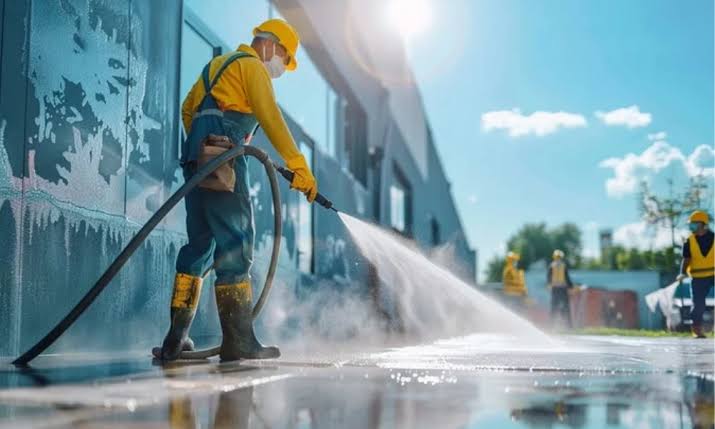
Entryways receive soil from footwear, rain, delivery carts, and outdoor debris. Workers remove loose particles with commercial vacuums before mopping hard surfaces. Wet-floor signs appear during washing, especially near public doors. Mats receive regular vacuuming and repositioning because saturated fibres spread moisture indoors. During poor weather, teams may increase inspection rounds to limit slips, stains, and tracked dirt.
Sanitising Shared Contact Points
Door handles, lift buttons, rails, switches, payment counters, and tap fixtures receive frequent attention. Staff clean visible soil first, then apply an appropriate disinfectant for the surface. Contact time matters because many products need several minutes before removal. Workers also replace cloths between zones to reduce cross-contamination. Checklists record completed areas, allowing supervisors to verify coverage without relying on memory.
Keeping Washrooms Ready
Public washrooms need repeated checks because usage can change quickly. Cleaning staff inspect basins, toilets, partitions, mirrors, floors, soap dispensers, and paper supplies. Odour control depends on removing residue rather than masking smells with fragrance. Workers also examine drains and corners where moisture can collect. A documented inspection cycle supports consistent presentation and helps managers respond quickly to supply shortages or maintenance issues.
Protecting Different Floor Surfaces
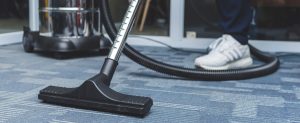
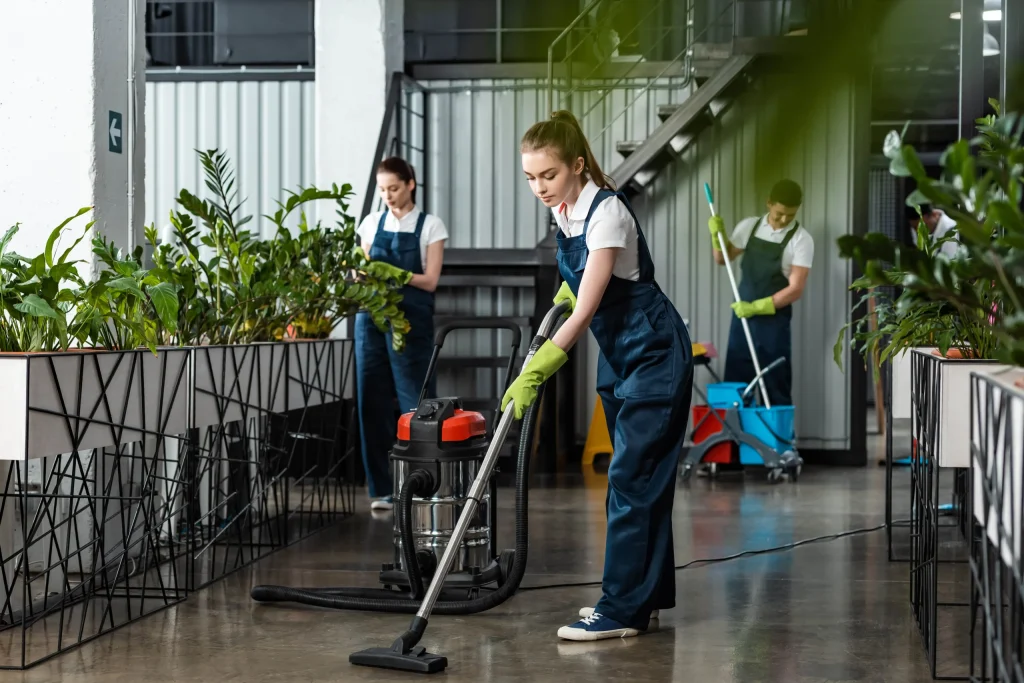
Each floor type requires a suitable method. Vinyl may need low-moisture mopping, while polished stone requires products that avoid dulling. Carpeted areas benefit from vacuuming patterns that reach edges and busy lanes. Hard floors can receive periodic machine scrubbing when ordinary mopping leaves a film. Correct equipment protects finishes, reduces replacement costs, and maintains traction beneath regular foot traffic.
Working Around Staff and Customers
Professional crews plan noisy or wet tasks around building activity. Vacuuming, machine scrubbing, and rubbish removal may occur before opening, after closing, or during agreed quiet periods. Daytime workers use clear signs, tidy equipment placement, and controlled movement near visitors. This approach limits disruption while keeping essential duties active. Communication with site contacts also helps teams respond to events, spills, and sudden schedule changes.
Checking Quality and Adjusting Frequency
Supervisors inspect completed zones, review log sheets, and compare results with site expectations. Repeated marks near counters may signal a need for more frequent spot cleaning. Persistent odours can indicate a plumbing or ventilation issue rather than a surface problem. Feedback from occupants gives managers useful evidence. Service plans can then change as occupancy, weather, trading hours, or building use shifts.
Supporting Healthier Daily Operations
Clean surroundings support safer movement, better staff comfort, and stronger public confidence. Professional cleaners achieve this result through preparation, correct products, disciplined routines, and regular checks. High-traffic premises cannot rely on a single end-of-day visit for every need. A measured program places attention on busy zones while preserving less-used rooms. Consistent care also helps protect fixtures, flooring, furnishings, and business reputation.
Maintaining Standards Over Time
Successful commercial cleaning depends on repeatable actions rather than occasional intensive work. Teams monitor traffic, respond to changing conditions, and keep records that show where effort is directed. Managers gain clearer control when duties, timing, products, and inspections remain documented. With these practices in place, busy premises can stay presentable, hygienic, and functional through daily pressure. Professional support turns cleaning from a reactive task into a dependable operating routine.