
Introduction
Construction and engineering firms operate in environments where progress, precision, safety, and capability matter. Professional imagery records these qualities with clarity, giving clients, consultants, investors, and workers reliable visual evidence. Strong photographs can support tender submissions, project updates, recruitment campaigns, annual reports, and media communication. They also help businesses present complex operations in a direct, accessible format. For firms competing on expertise and performance, visual documentation can strengthen credibility across every important communication channel.
Stronger Brand Presentation
Construction firms need clear evidence of their capabilities before a meeting takes place. High-quality images show active sites, specialist equipment, completed structures, and skilled teams. Companies seeking industrial photography in Sydney can obtain practical imagery for websites, proposals, social channels, and printed materials. A consistent visual library helps each message feel credible, current, and connected to real project outcomes.
Better Tender Submissions
Tender documents often contain technical descriptions, schedules, pricing details, and compliance information. Relevant photographs add context without increasing written density. Images can show site access, construction stages, machinery, environmental controls, and finished workmanship. Reviewers gain a faster sense of capability, preparation, and delivery standards. A carefully selected image sequence can also make a submission easier to remember.
Clear Progress Reporting
Project photography gives managers a visual record of work completed at defined dates. Regular sessions can document foundations, structural frames, services, external finishes, and final handover stages. This record supports internal reviews and stakeholder updates. It can also help teams compare planned milestones with visible site conditions, creating a useful reference for meetings, reports, and future planning.
Evidence of Safety Standards
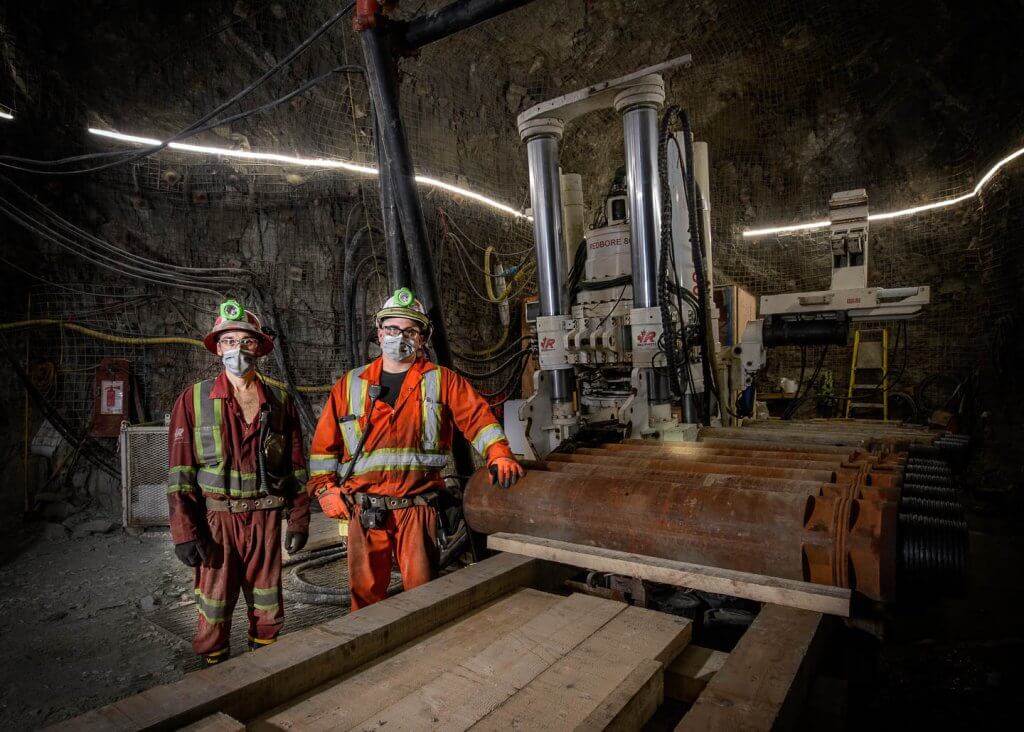
Safety performance requires more than written policies. Images can demonstrate protective equipment, controlled access, orderly work areas, signage, and established procedures. Photographs should be captured with permission and appropriate site controls. When presented carefully, this evidence shows clients and partners that safety receives daily attention. It also gives communications teams credible material for training resources and corporate reports.
Engineering Detail Made Accessible
Engineering projects often involve systems that appear difficult to explain through text alone. Photography can isolate connection points, plant rooms, fabrication details, testing activity, and specialist installations. Clear compositions help non-technical audiences understand project value. Technical teams also gain useful records for presentations, case studies, maintenance references, and client briefings. Each image can communicate purpose, scale, and workmanship.
Greater Stakeholder Confidence
Stakeholders expect regular proof that a project is progressing responsibly. Visual updates answer common questions about activity, timing, access, and completed work. They can support presentations for owners, government bodies, consultants, and community groups. Consistent imagery creates a transparent communication habit. This approach may reduce confusion, strengthen dialogue, and help decision-makers respond with greater confidence.
More Effective Recruitment
Skilled tradespeople, engineers, supervisors, and apprentices often assess an employer through public communications. Authentic workplace images show team culture, equipment, project variety, and professional standards. Such content gives applicants a realistic view of daily work. Recruitment teams can use photographs across career pages, advertisements, brochures, and social posts. Stronger representation may attract candidates who fit the organisation’s needs.
Useful Content Across Channels
One planned session can produce photographs for multiple business requirements. Marketing teams may select wide site views, portrait-format staff images, detailed equipment shots, and finished-project scenes. Different crops and resolutions can serve websites, tender portals, presentations, newsletters, and print campaigns. A labelled archive also helps staff locate suitable files quickly, reducing repeated requests and rushed image collection.
Long-Term Project Records
A well-organised image archive preserves important milestones after machinery leaves the site. Records can support case studies, award entries, historical summaries, insurance discussions, and future sales activity. Date labels, project names, location notes, and subject descriptions improve retrieval. Firms can then build a reliable visual history, rather than depending on scattered phone photographs or incomplete folders.
Safer, More Efficient Production
Industrial sites contain moving vehicles, elevated work areas, restricted zones, and changing conditions. Experienced photographers coordinate with project managers, follow induction requirements, and schedule sessions around active operations. Careful planning limits disruption while protecting workers, equipment, and visitors. A clear brief also defines priority subjects, access needs, timing, and delivery formats before the camera arrives.
Conclusion
Industrial photography gives construction and engineering firms practical evidence for marketing, reporting, recruitment, tenders, and stakeholder communication. Professional images present capability while recording progress, safety practices, technical detail, and completed results. A planned archive can support several departments for years, helping teams communicate faster and with greater consistency. When photography follows site rules and business goals, each assignment becomes a valuable record of performance, people, and project delivery.