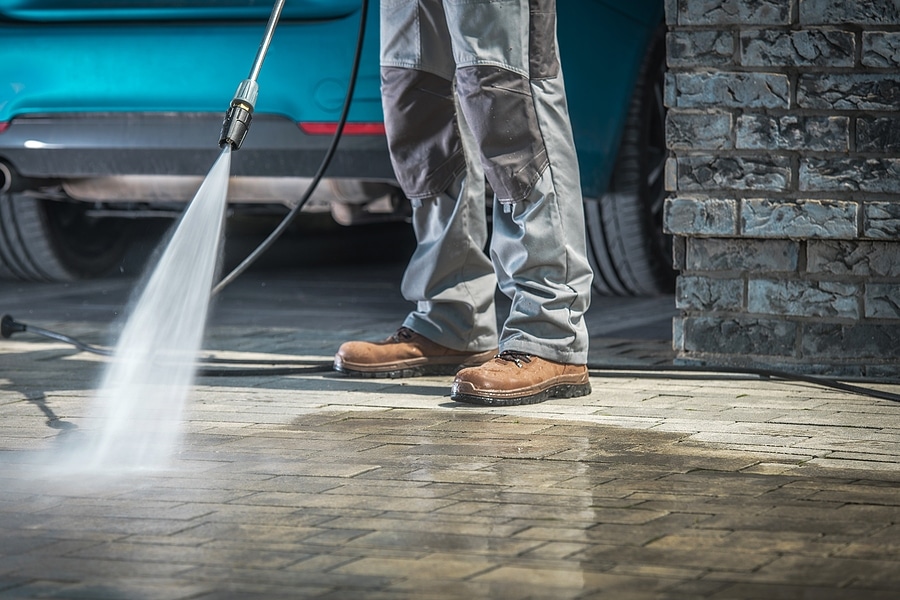

Concrete offers strength, stability, and practical value across homes, workplaces, garages, driveways, and outdoor areas. However, its porous structure leaves the surface vulnerable to water, oils, chemicals, abrasion, and ultraviolet exposure. Without protection, these pressures can cause staining, surface dust, cracking, and a gradual loss of integrity. Sealing reduces absorption and shields the surface, helping the slab stay cleaner, safer, and serviceable longer.
A Protective Surface Barrier
Concrete contains microscopic pores that allow moisture, grease, dirt, and chemical residue to enter. Absorbed contaminants can weaken the surface, encourage staining, and complicate routine cleaning. A suitable sealer restricts penetration while allowing the slab to retain its structural character.
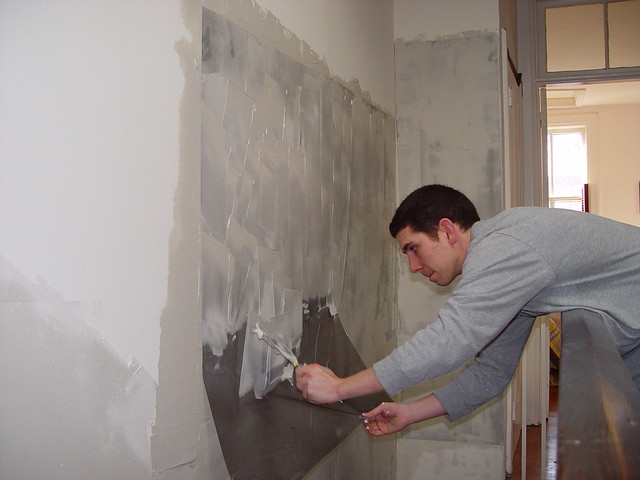
For property owners seeking dependable floor protection, concrete sealing in Melbourne can help preserve existing slabs in residential, commercial, and industrial settings. Proper preparation removes weak material, surface residue, and old coatings before application. This process supports consistent coverage, stronger adhesion, and a cleaner finish that withstands moisture, staining, and regular abrasion.
Reduced Moisture Damage
Water remains a significant source of concrete deterioration. Repeated exposure can wash away fine surface particles, promote efflorescence, and contribute to mould growth in shaded or poorly ventilated areas. Melbourne’s heavy rainfall can also affect exposed paths, patios, and driveways.
A sealed surface absorbs less water during wet conditions. Lower moisture entry helps reduce surface erosion and limits the movement of dissolved contaminants. Drainage still matters, since a coating cannot correct ponding caused by poor falls or blocked outlets.
Better Stain Resistance
Unprotected concrete readily absorbs vehicle fluids, cooking oils, food residue, mud, and cleaning chemicals. These substances may leave dark marks that become increasingly difficult to remove. Porous flooring can also retain unpleasant odours and organic residue.
Sealing keeps many contaminants closer to the surface, giving occupants more time to respond after a spill. Prompt cleaning then becomes more effective. This advantage suits garages, workshops, hospitality areas, utility rooms, and commercial floors exposed to frequent contamination.
Protection Against Surface Wear
Foot traffic, vehicles, machinery, furniture, and dragged equipment gradually abrade concrete. Constant friction can create powdery residue, rough patches, and visible scuffing. Industrial floors often show these effects sooner because heavier loads and repeated movement place greater stress on the surface.
A quality sealer strengthens the exposed surface layer and reduces everyday wear. It cannot prevent damage from severe impact or structural movement. Surface preparation remains essential because coatings bond better to clean, stable, properly profiled concrete.
Improved Appearance
Sealing can refresh an existing slab without removing the entire floor. Depending on the product, the finish may appear matte, satin, or glossy. Some sealers also deepen the tone of exposed aggregate, making variations in stone and texture more noticeable.
Colour retention provides another benefit outdoors. Prolonged sunlight can fade untreated concrete and create uneven visual changes. UV-resistant products help slow this process, particularly across driveways, balconies, pool surrounds, and entertainment areas.
Easier Routine Maintenance
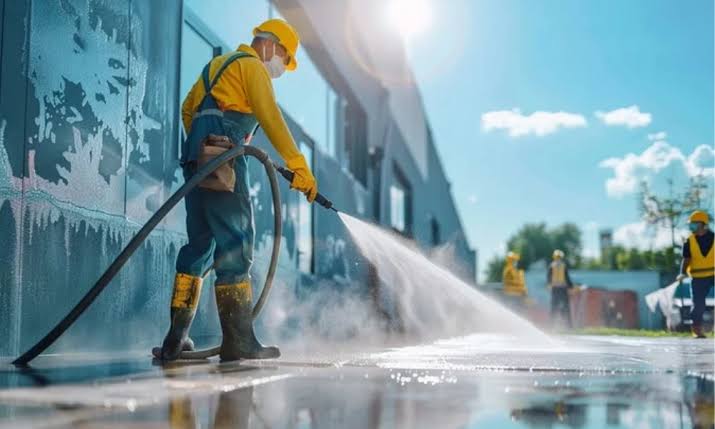
Sealed concrete usually requires less effort during regular cleaning. Dust, mud, and spilled liquids remain closer to the surface instead of travelling deep into the slab. Sweeping, damp mopping, or using a mild cleaning solution can remove many common contaminants.
Reduced absorption may lower labour demands and cleaning costs over time. Harsh chemicals, abrasive pads, and prolonged water exposure can still affect the coating. Manufacturer guidance should determine suitable cleaning products, dilution levels, and equipment.
Longer Service Life
Sealing addresses several common causes of concrete deterioration at once. Reduced water entry, improved stain resistance, lower abrasion, and ultraviolet protection all support better surface performance. Limiting these stresses may delay patching, resurfacing, or full replacement.
The financial benefit is greater across large driveways, warehouses, retail floors, and shared facilities. A coating does not replace structural repairs or sound maintenance. Instead, it forms one practical measure within a broader care program.
Choosing the Right Sealer
Products differ in composition, penetration, sheen, drying time, chemical resistance, and application method. Water-based formulations often produce lower odour and simpler cleanup. Solvent-based options may provide a different appearance or greater penetration, depending on the slab.
Scheduled Resealing
No sealer remains effective indefinitely. Vehicle movement, foot traffic, sunlight, cleaning practices, and weather gradually reduce its protective performance. High-use areas may need renewal sooner than lightly used internal floors.
Routine inspections can reveal dull patches, renewed water absorption, scratches, or increased staining. Early resealing helps restore protection before deterioration reaches deeper material. Cleaning records and product guidance can support a sensible maintenance interval.
Conclusion
Concrete sealing protects against moisture, staining, abrasion, sunlight, and repeated daily contact. It also supports easier cleaning, improved traction, and stronger visual consistency across existing surfaces. Long-term results depend on the right product selection, proper preparation, correct application, and regular maintenance. For Melbourne properties, professional assessment can account for climate, traffic, drainage, and surface condition. With appropriate care, sealed concrete can remain functional, presentable, and dependable for many years.