
Introduction
Moving house creates a long list of jobs, and cleaning often receives attention after the boxes leave. Landlords and property managers can inspect details that residents overlook during a rushed handover. A room may look tidy while grease, dust, hair, and marks remain in corners. A clear plan helps each household check high-use areas, hidden surfaces, and outdoor spaces before keys, access cards, or remotes are returned. This approach also supports a fairer record of the property’s condition.
A move-out checklist protects the bond, yet time often disappears during packing, loading, and key collection. For households needing practical support, a move out cleaning service in Auckland can cover kitchens, bathrooms, floors, carpets, windows, and hidden dust. Booking help also leaves more time for utility readings, address updates, and a final inspection before the property changes hands.
1. Kitchen Surfaces
Grease settles on splashbacks, benchtops, cabinet fronts, and handles. Empty every drawer, then wipe interiors before replacing nothing. Clean the sink, tap, drain, and rubbish area carefully. Food residue can attract pests and create odours. A close check beneath appliances catches crumbs that normal sweeping misses. Remember corners beside cabinets and wall edges.
2. Oven and Appliances
The oven deserves separate attention because baked-on fat remains visible during inspection. Remove racks, soak them, and scrub the cavity with a suitable product. Wipe the cooktop, rangehood filter, microwave, and dishwasher seals. Refrigerators need empty shelves, sanitised drawers, and deodorising after food has been removed. Check appliance sides, backs, and power cords for collected grime.
3. Bathrooms and Toilets
Bathrooms require more than a quick wipe. Remove soap scum, limescale, mildew, and hair from showers, tubs, basins, toilets, and drains. Polish taps and mirrors after sanitising contact points. Inspect grout lines, extractor covers, cabinet interiors, and areas behind the toilet. Dry surfaces afterward, since damp patches can leave marks before the handover.
4. Carpets and Rugs
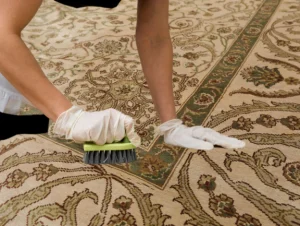
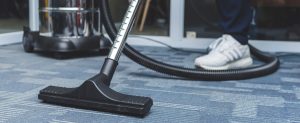
Carpet fibres hold dust, crumbs, hair, and odours that vacuuming may not remove. Move lightweight furniture and clean edges near skirting boards. Treat stains according to the fibre type, avoiding products that cause discolouration. Rugs should be checked underneath as well. Professional extraction may help heavily used rooms appear fresher and reduce lingering smells.
5. Hard Floors
Different flooring materials need different treatment. Vacuum timber, laminate, vinyl, and tiles before mopping with a suitable solution. Scrub grout, remove adhesive spots, and check corners beneath cabinets. Excess water can damage wood or seep under boards. A dry finish prevents footprints from appearing during the property inspection. Furniture marks also deserve attention.
6. Windows and Glass
Clean glass is easier to assess in bright daylight. Wipe panes, tracks, frames, handles, and sills, removing insects, dust, and water marks. Pay attention to kitchen windows, where grease can form a hazy film. Check fly screens for debris and damage. Curtains, blinds, and shutters also need dusting before removal or handover.
7. Doors and Fittings
Fingerprints gather around door handles, locks, edges, and push plates. Wipe both sides of each door, including wardrobes, cupboards, and laundry entrances. Clean hinges, tracks, skirting boards, and light switches without soaking electrical parts. Remove cobwebs from upper frames. This work improves the first impression and helps reveal scuffs needing repair.
8. Walls and Ceilings
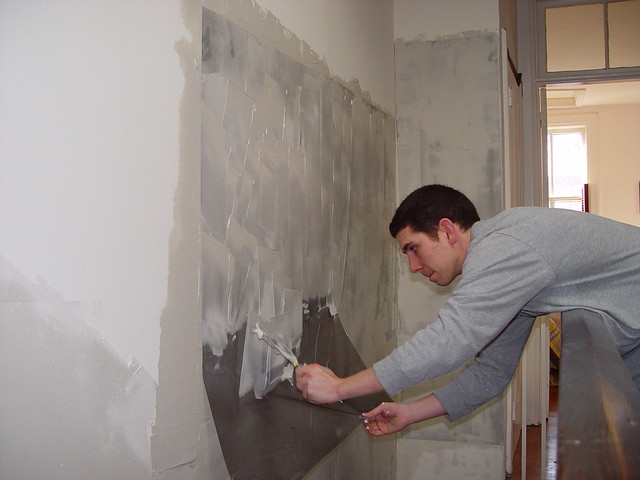
Walls often show marks after furniture has been moved. Dust ceiling corners, vents, fans, picture rails, and light fittings. Remove removable fingerprints with a gentle method suited to the paint. Avoid aggressive scrubbing, which can create larger patches. Check behind doors and beside beds for rub marks, adhesive, and abandoned hooks.
9. Storage Areas and Utility Spaces
Cupboards, wardrobes, linen closets, garages, and laundry zones are easy to forget. Empty each compartment, vacuum corners, and wipe shelving. Clean washing machine seals, dryer filters, and utility sinks. Remove leftover bottles, boxes, nails, and personal items. These spaces should be left dry, clear, and ready for immediate use.
10. Outdoor Areas and Final Checks
Sweep balconies, patios, paths, entrances, and garages. Remove leaves, webs, rubbish, and pet waste from visible sections. Check bins, sheds, letterboxes, and external light covers. After cleaning, compare every room with the tenancy checklist. Photograph finished areas, record meter readings, and return keys only after a careful closing review.
Conclusion
A successful move-out clean depends on coverage rather than speed alone. Kitchens, bathrooms, flooring, windows, storage areas, and outdoor spaces can each affect a handover result. A written checklist reduces skipped tasks, while photographs provide a useful condition record. Households with limited time can divide duties by room or arrange professional assistance. Completing the review in daylight gives residents a better chance to spot residue, damage, and belongings before leaving.