
Introduction
Summer heat can expose small air conditioning faults that stayed unnoticed through cooler months. A blocked filter restricts circulation, while a dirty coil makes the unit work harder. Preparation helps households maintain steadier indoor temperatures, control power use, and avoid sudden breakdowns. Professional checks also reveal safety concerns before daily cooling becomes essential. The following steps give property owners a practical plan for getting equipment ready before sustained warm weather begins across Auckland homes.
Start with a Professional Inspection
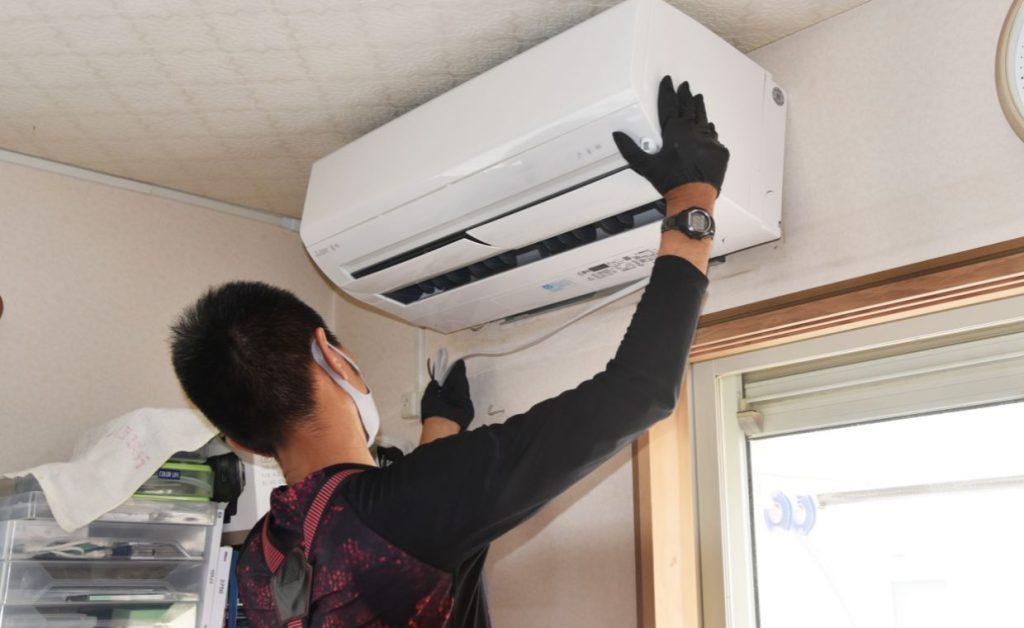
Before warm weather arrives, homeowners benefit from a measured check of cooling equipment. Filters, coils, drains, electrical connections, and outdoor clearances affect comfort, energy use, and reliability. Qualified air conditioning specialists in Auckland can inspect those points, identify small faults, and prepare the system for heavier demand. Early attention reduces emergency callouts and gives households a clearer maintenance plan.
Clear the Outdoor Unit
Leaves, grass, dust, and stored items can restrict air movement around the outdoor condenser. Technicians should examine the surrounding area and leave suitable clearance on every side. Plants may need trimming, while loose debris requires careful removal. A stable base also matters, because movement can strain pipework and create unwanted noise. These simple steps help the condenser release heat efficiently during long operating periods.
Replace Dirty Filters
Filters collect dust and airborne particles during regular use. As buildup increases, indoor circulation weakens and the fan works harder. Residents can check disposable filters according to the manufacturer’s instructions, then arrange replacement when the material appears clogged or damaged. Washable versions need complete drying before refitting. A clean filter supports healthier airflow, reduces strain, and helps the unit reach the selected temperature sooner.
Check Airflow at Every Outlet
Uneven cooling can point to blocked grilles, closed vents, damaged ducting, or fan problems. Each room should receive a steady stream without unusual rattling or whistling. Technicians can measure airflow and compare results across outlets. They may also inspect return grilles, since restricted intake reduces performance throughout the property. Clear furniture, curtains, and storage away from vents to support consistent circulation.
Inspect Electrical Components
Summer demand places extra pressure on switches, wiring, capacitors, and control boards. Warning signs include flickering power, burning smells, repeated trips, or unusual starting sounds. Homeowners should avoid opening panels or testing live parts themselves. A licensed technician can examine connections, identify wear, and confirm that protective devices operate correctly. Addressing electrical issues early lowers the chance of equipment damage or an unsafe failure.
Clean the Condensate Drain
Cooling creates moisture, which normally leaves through a condensate line. Algae, dirt, or insects can block that path and cause water to collect indoors. Stains near the unit, damp flooring, or repeated shutdowns deserve prompt attention. Service workers can clear the drain, inspect the tray, and confirm proper flow. Keeping this route open protects walls, ceilings, flooring, and nearby electrical components from moisture damage.
Review Refrigerant Performance
Low refrigerant levels can reduce cooling, increase running time, and cause ice around indoor coils. A loss usually indicates a leak, rather than normal consumption. Qualified personnel can check pressures, inspect joins, and locate damaged sections before adding any charge. This process protects the compressor and supports efficient operation. Unusual cooling loss should receive professional attention instead of repeated thermostat adjustments.
Check Ducts and Insulation
Duct leaks allow conditioned air to escape before it reaches living areas. Gaps, crushed sections, loose joins, and poor insulation can waste power while leaving rooms uncomfortable. An inspection can identify weak points in ceilings, floors, or wall cavities. Sealing connections and repairing insulation improves delivery without requiring a larger unit. This review proves especially useful in older houses with modified extensions.
Schedule a Performance Test
A final performance test confirms whether preparation has produced useful results. Technicians can record supply temperature, return temperature, airflow, operating sound, and electrical demand. Comparing these readings with earlier service records helps reveal gradual decline. The appointment also creates a suitable time for coil cleaning, moving-part checks, and control calibration. Booking before peak demand gives households more choice and reduces waiting during breakdown periods.
Conclusion
Preparing cooling equipment before summer supports comfort, safety, and better power control. Filters need attention, outdoor areas require clearance, and drains must remain open. Electrical parts, refrigerant circuits, ducts, and airflow deserve trained inspection rather than guesswork. A professional service visit can identify minor defects before they interrupt hot-weather routines. With clear records and scheduled care, property owners can approach the warmer months with greater confidence and fewer unwelcome surprises.