
Introduction
Phenolphthalein remains a familiar indicator in laboratories, classrooms, and water testing work. Many people know its pink colour change, yet fewer know why that change matters or how preparation affects accuracy. Readers who handle reagents, teach experiments, or review treatment steps benefit from clear facts. Simple knowledge helps users read results better, store material properly, and reduce avoidable mistakes during routine chemical checks.
1. It Signals pH Change
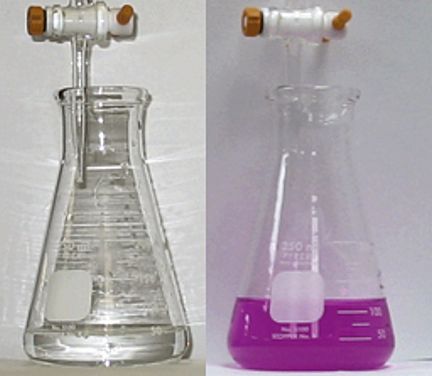
Chemists value phenolphthalein solution because it gives a quick visual sign during acid-base testing. In many labs, the liquid stays colorless in acidic mixtures, then turns pink as alkalinity rises. That narrow shift helps staff judge endpoints with less guesswork. Reliable color contrast also supports classroom work, water checks, and routine bench practice.
2. The Colour Shift Is Narrow
Phenolphthalein does not change across every pH level. Instead, it shifts within a fairly tight alkaline range, which makes it useful for titrations that need a clear finish point. Users should remember that a faint pink tone may already show a meaningful change. Stronger colour often means the mixture has moved past the ideal endpoint and needs review.
3. Solubility Affects Preparation
Pure phenolphthalein has limited water solubility, so many preparations use alcohol to help dissolve it. That detail matters because solvent choice can affect mixing, storage, and how the reagent behaves during use. Lab staff usually prefer a clear, uniform liquid with no visible particles. Cloudiness or residue may suggest poor preparation, contamination, or age-related decline.
4. It Fits More Than School Experiments
Class demonstrations made phenolphthalein famous, yet its use reaches far beyond basic lessons. Analysts apply it during acid-base titrations, cleaning product checks, and some water treatment procedures. Process teams also use it while reviewing neutralisation steps in controlled settings. Its value comes from speed, visible contrast, and easy interpretation when the test conditions are properly set.
5. Safe Handling Still Matters
Phenolphthalein is useful, though routine care remains important during storage and handling. Gloves, eye protection, and clean tools help reduce direct contact and lower transfer risks. Work areas should stay ventilated, especially if the preparation contains alcohol. Labels must remain readable, since clear identification supports safer practice and prevents mix-ups with other bench reagents.
Practical Storage Notes
Heat, light, and open air can affect many chemical preparations over time. For that reason, phenolphthalein solutions are usually kept in closed containers, away from direct sunlight and ignition sources. Consistent storage helps preserve colour response and overall clarity. If the liquid changes appearance, forms sediment, or gives weak results, replacement may be the safer option.
Results Depend on Concentration
A result can look simple while still depending on proper concentration. If the solution is too weak, the colour transition may appear delayed or hard to see. If it is too strong, the endpoint can seem sharper than it really is. Standardised preparation helps different users compare results with greater confidence across repeated checks and separate sessions.
Pack Size Can Influence Waste
Volume choice matters more than many buyers expect. Smaller containers often suit classrooms, occasional testing, or low-frequency bench work, since they reduce the chance of long storage after opening. Larger sizes may fit busier sites that use indicators often and replace stock quickly. Matching volume to workload supports freshness, lowers waste, and keeps purchasing more practical.
Conclusion
Phenolphthalein solution looks simple, yet effective use depends on several small facts. Its narrow colour change, solvent needs, storage conditions, and concentration all shape how results appear in real work. Teams that understand those details can interpret endpoints with more confidence and avoid preventable errors. Whether the setting is a lab, classroom, or treatment site, good handling supports clearer testing and steadier outcomes.