Couches are often the centerpiece of a living room, providing comfort and a place for gatherings. Over time, they accumulate dust, dirt, food crumbs, and stains that affect both appearance and hygiene. Maintaining a clean couch can significantly improve the look of a room and extend the life of the furniture. Simple cleaning routines and a few practical tips can keep couches fresh and inviting without much effort.
This guide offers effective strategies for cleaning different types of couches, addressing common issues, and maintaining fabric and leather furniture in optimal condition. Following these tips ensures that your seating remains comfortable and hygienic for daily use.
Understanding Couch Materials
Couches come in various materials, and each requires a slightly different cleaning approach. The most common types include fabric, leather, microfiber, and synthetic blends.
Fabric couches are popular due to their comfort and variety of designs. They can attract dust, pet hair, and spills, making regular maintenance essential. Vacuuming regularly and treating stains promptly can prevent long-term damage.
Leather couches are durable and elegant but are prone to scratches and drying out if not maintained properly. Special leather cleaners and conditioners can preserve their texture and prevent cracking. Avoid harsh chemicals that may damage the material.
Microfiber couches are soft and resistant to many stains. They usually allow spot cleaning with mild detergents and water. Rubbing too aggressively can damage the fibers, so gentle cleaning is important.
Understanding the type of material is the first step in keeping a couch clean. Proper care extends the life of the furniture while keeping it comfortable and visually appealing.
Daily Maintenance Tips
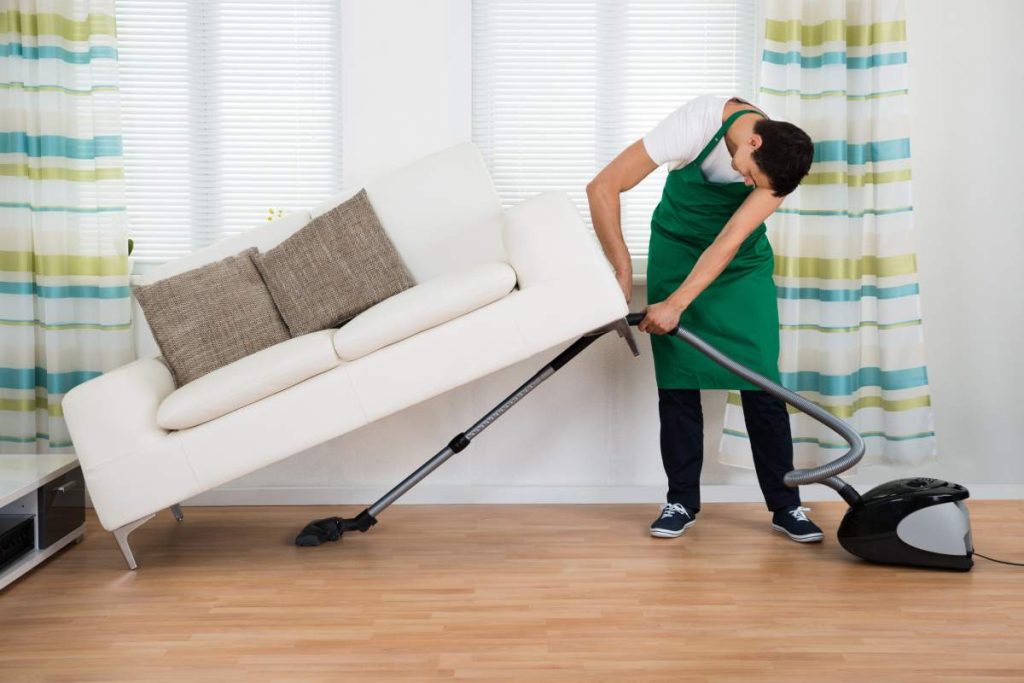
Consistent daily or weekly maintenance can prevent dirt and grime from accumulating. Vacuuming a couch once a week removes dust, crumbs, and pet hair. Pay attention to crevices and seams where debris tends to gather. Using a soft brush attachment can prevent damage to delicate fabrics.
Fluffing and rotating cushions helps maintain shape and even wear. It also allows inspection of hidden stains or spots before they set in. Regularly checking for spills and wiping them immediately can prevent long-term damage.
Another useful habit is keeping food and drinks away from the couch. This minimizes the risk of stains and sticky residues. For households with children or pets, extra precautions may include using washable covers or throws.
Spot Cleaning Techniques
Immediate attention to spills and stains is crucial for effective couch care. The cleaning method depends on the type of material and the nature of the stain.
For fabric couches, blotting the spill with a clean cloth is the first step. Avoid rubbing, as this can push the stain deeper into the fibers. A mixture of mild detergent and water often works well for fresh stains. Test the solution on a hidden area first to ensure it does not cause discoloration.
Leather couches require a different approach. Wipe spills gently with a damp cloth, then dry with a soft towel. Specialized leather cleaners can be used for tougher stains, but avoid products containing alcohol or ammonia.
For microfiber couches, water-based cleaning solutions are usually sufficient. Apply the solution sparingly and rub gently using a soft cloth or sponge. Some microfiber fabrics allow steam cleaning, which can refresh the material and remove stubborn dirt.
Persistent or old stains may require professional assistance. Local services such as couch cleaners in Adelaide can provide deep cleaning without damaging the furniture.
Removing Odors
Odors can develop over time due to pets, food, or general usage. Maintaining a fresh-smelling couch requires both surface cleaning and attention to underlying sources.
Sprinkling baking soda on fabric couches helps absorb odors. Leave it for 15–30 minutes before vacuuming thoroughly. For leather couches, using a damp cloth with a small amount of mild soap can remove surface dirt, which often contributes to unpleasant smells.
Ensuring proper ventilation also reduces odor buildup. Avoid placing couches in damp areas or near sources of smoke. For persistent smells, professional cleaning can eliminate deeply embedded odors and restore freshness.
Deep Cleaning Methods
Periodic deep cleaning helps maintain both hygiene and appearance. Steam cleaning, shampooing, and professional services can remove accumulated dirt that regular maintenance cannot.
Steam cleaning is effective for fabric and microfiber couches, loosening dirt and sanitizing surfaces. Follow manufacturer guidelines to avoid overheating or damaging the fabric. Using upholstery shampoo can also remove stubborn stains, though care must be taken to rinse thoroughly and prevent residue buildup.
Leather couches benefit from conditioning treatments during deep cleaning. A combination of gentle cleaning and leather conditioner maintains softness and prevents cracking. Avoid excessive moisture, as it can damage the material permanently.
Deep cleaning once or twice a year, depending on usage, ensures the couch remains in optimal condition. Regular inspections for wear and tear during deep cleaning also allow early repair of minor damages.
Handling Pet Hair
Pet owners often struggle with hair accumulation on couches. Regular vacuuming is essential, but additional strategies can help minimize buildup.
Using rubber gloves or specialized pet hair brushes allows efficient removal of stubborn hair from fabric surfaces. For microfiber couches, slightly dampening the cloth can enhance hair removal. Leather surfaces are easier to clean; wiping with a damp cloth typically lifts hair without much effort.
Maintaining pets by regular grooming also reduces the amount of hair that ends up on furniture. Combining grooming and consistent cleaning ensures a couch stays presentable and comfortable for all users.
Preventive Measures
Preventing stains and damage is easier than repairing them. Protective covers, throws, or slipcovers shield the couch from spills and wear. Washable covers provide convenience and can be replaced or cleaned easily.
Rotating cushions and avoiding prolonged exposure to sunlight can prevent fading and uneven wear. For homes with children, establishing rules such as no eating on the couch helps maintain cleanliness.
Regular inspection of seams, zippers, and cushions allows early identification of problems. Promptly repairing loose stitching or sagging cushions preserves the couch’s integrity and comfort.
Conclusion
Couches are more than just furniture; they are part of daily life and comfort. Maintaining them requires attention to material types, regular cleaning, and immediate care for spills and stains. Simple habits, such as vacuuming, rotating cushions, and handling pet hair, contribute to a cleaner, fresher seating area.
Deep cleaning and professional assistance, when needed, ensure that the furniture remains in good condition for years. With consistent care, even heavily used couches can look appealing and last longer.
Choosing appropriate cleaning techniques and adopting preventive measures reduces the need for frequent repairs or replacements. By following these strategies, homes can enjoy a comfortable, hygienic, and visually attractive environment.