
Timber flooring changes how a room looks and feels, adding natural colour, visible grain and a comfortable surface underfoot. Its range of tones suits contemporary spaces and older homes, while a well-chosen floor supports a property’s long-term appeal. The right choice depends on how you use the room, the available lighting and your construction needs. Considering these factors helps homeowners choose flooring that brings warmth without compromising everyday function. The benefits become clear when a buyer considers appearance, material and care together.
How Timber Adds Warmth
In Australian homes, floor choice must account for open-plan layouts, changing daylight and busy family areas. Comparing timber flooring in Melbourne by species, construction and finish narrows options without relying on colour samples alone. Board width and surface texture also affect how a room reads, so homeowners should view samples alongside wall colours and cabinetry.
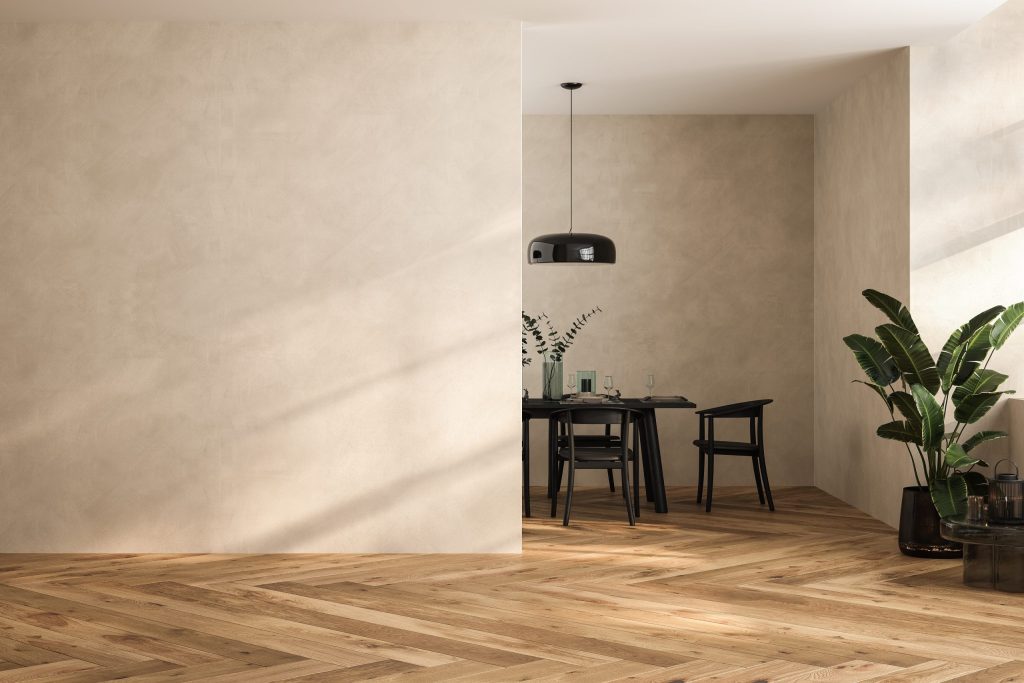
Timber’s warmth comes from its colour, grain and natural variation. Pale oak and ash keep rooms bright, while deeper brown tones give them a moody look. Natural grain softens the clean lines of painted walls and metal fittings, adding texture without introducing busy patterns. In compact rooms, lighter boards help keep the space feeling open.
The underfoot experience is also important. Timber looks less cold than tile and suits living rooms, bedrooms and hallways. A rug can define a seating area while leaving the rest of the floor visible. In open-plan interiors, consistent boards connect different zones, while furniture and rugs help define their boundaries.
How Timber Supports Home Value
A timber floor enhances a home’s appeal, as buyers recognise its durability and its ability to suit many interior styles. The natural timber look pairs well with changing furniture and wall colours, reducing the need to replace flooring during a refresh. The result depends on the floor’s condition, installation quality and suitability for the property.
Timber has a familiar look that suits many homes and interior styles. Solid boards are often suitable for sanding and refinishing, depending on their thickness and condition. Engineered boards have a timber surface layer, so whether you can refinish them depends on the usable wear layer and the manufacturer’s care instructions.
Choosing the Right Construction
Solid timber consists of a single piece of wood, while engineered flooring combines a real timber layer with a stable, multi-layer base. Each construction has different installation and moisture requirements. Before choosing a product, check its specification sheet for thickness, finish, suitable installation method and care limits.
Room conditions should guide the decision. Kitchens and entryways face spills, grit and frequent cleaning, so homeowners should confirm the flooring’s suitability and follow its maintenance advice. Bedrooms and formal living spaces usually see less moisture, but direct sunlight can still change the timber’s colour over time.
Match the Finish to Daily Use
A matte finish reduces reflections and gives the grain a subtle appearance. Gloss reflects more light and makes dust or scratches easier to see. Textured finishes add grip underfoot, although grooves need regular cleaning. Check samples in both daytime and evening light before making a final decision.
Plan for Installation
Installers need a level, dry subfloor and accurate measurements before ordering. Existing flooring, door clearances, and transitions to adjoining rooms affect the required preparation. The construction determines whether boards are glued, nailed or installed as a floating floor.
A written quote should separate the costs of materials, preparation and installation. Homeowners should ask who handles each stage, what the warranty covers and whether the product suits the property. These checks reduce surprises and make it easier to compare options fairly.
Protect the Floor Over Time
Fit felt pads under furniture legs, and lift heavy items rather than dragging them across boards. Sweep away grit, since small particles can scratch the finish underfoot. Use entrance mats with backing approved by the flooring manufacturer.
Clean timber with products specified for its finish, and avoid water unless the care instructions permit it. Wipe up spills, then let the surface dry. Regular care preserves the finish and helps the floor retain its colour and texture.
Conclusion
Before choosing timber flooring, compare samples in the rooms where the boards will be installed and read each product’s specification sheet. Check construction, finish, maintenance needs and installation method against household routines and subfloor conditions. A clear quote should state preparation and fitting costs. These checks make it easier to choose boards that suit the home’s light, daily use and budget while protecting the floor’s appearance for years to come.