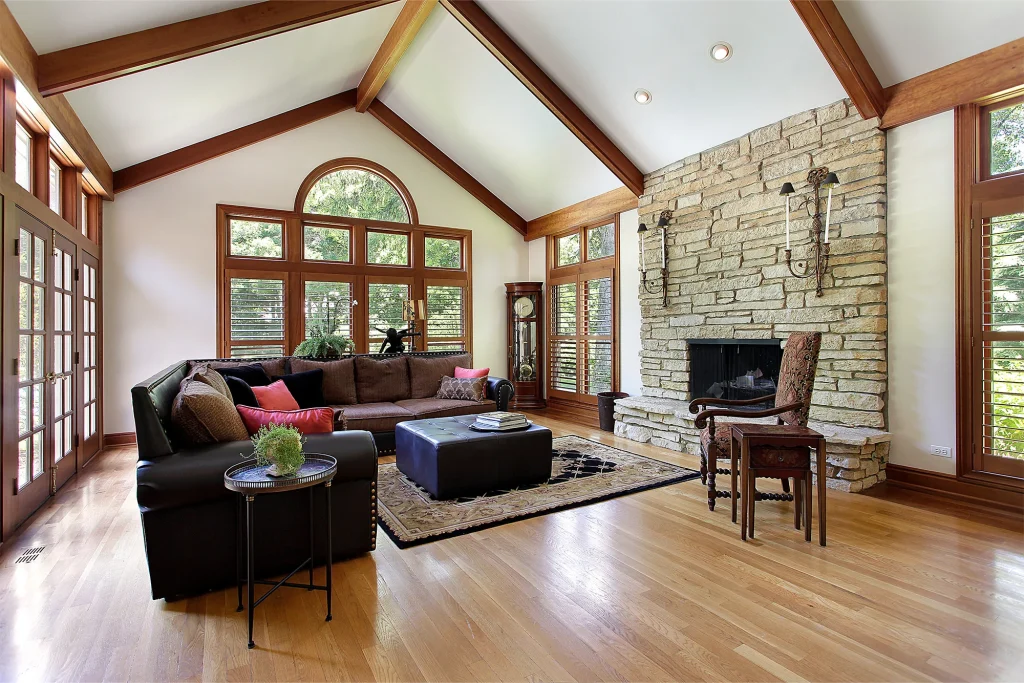

Long-term property value often tracks what endures, feels steady underfoot, and can be renewed instead of discarded. Solid timber flooring fits that brief while supporting a calm, lived-in interior. During inspections, genuine boards draw attention early because grain, tone, and warmth read as permanent. Over time, the option to repair, recoat, and refinish helps owners avoid disruptive rip-outs that can drag down resale results.
Buyer Perception and First-Inspection Signals
Open homes reward surfaces that look cared for, since floors take up most sightlines. Marks on carpet suggest trapped residue, while dented vinyl signals wear. Timber, by contrast, can be cleaned thoroughly and kept consistent with routine upkeep. Melbourne buyers often look for that reassurance, and research into solid timber flooring melbourne usually centres on lifespan, refinishing potential, and how real grain photographs in listing images.
Longevity That Supports Valuations
Years matter in valuation maths, since a floor that lasts reduces the chance of forced replacement during ownership. When moisture is controlled, many solid boards remain serviceable for decades. Fewer large fit-outs can support steadier rental income and less vacancy downtime. Longer service life also keeps budgets available for kitchens, bathrooms, and paint, which most buyers expect to update.
Re-Sanding Extends Useful Life
Sanding and refinishing can restore a worn surface without disturbing the subfloor. A careful pass removes shallow dents, softens scratch contrast, and evens sheen across traffic paths. That refresh often improves slip feel under socks by smoothing raised fibres. Sellers can schedule a refinish before marketing, rather than accept price reductions tied to visible wear.
Board Thickness and Structural Value
Thickness influences footfall feel, sound transfer, and future renewal options. Many solid boards sit around 19 to 21 mm, with thinner overlay profiles used where height changes must stay modest. A deeper tank usually allows more future sands, which can extend service time. Clear product specs also help valuers treat the floor as an asset, rather than a short-cycle finish.
Installation Compatibility Reduces Project Risk
Renovation value rises when installation outcomes are predictable. Solid timber can suit dry, stable subfloors such as plywood, concrete, or particleboard, provided moisture readings sit within safe limits. Fixing methods vary, including nail-down or full-spread adhesive, depending on site conditions. Fewer surprises mean fewer delays, which protects budgets and supports return estimates.
Species Choice Influences Market Appeal
Species affects hardness, colour shift, and how dents show after daily use. Australian options like Blackbutt, Spotted Gum, Tasmanian Oak, and Grey Ironbark each carry distinct grain and tone. Imported timbers such as European Oak, American Oak, and Walnut bring different visual cues. Matching species to local preferences helps listings feel cohesive, which can reduce buyer hesitation.
Dimensions, Grades, and Consistent Outcomes
Board width can change how a room reads, especially across hallways and open-plan zones. Common widths run from narrow strips to broader planks, with grades ranging from select looks to feature-heavy character. Consistency helps, since patchy variation can look like repair work in photos. Strong images often lift inspection interest, improving negotiation strength.
Cost Framed as Lifecycle Spending
Upfront cost can look higher than short-life coverings, yet lifetime spending can shift the comparison. Solid timber may sit around $120 to $160 per square metre before installation, with the price shaped by species, grade, and finishing system. The ability to recoat or sand later can reduce replacement events. That pattern supports stronger long-range value calculations for owners.
Daily Maintenance and Risk Management
Cleanable surfaces and moisture control closely link to healthy indoor living. Regular vacuuming with a soft head, prompt spill removal, and pH-neutral cleaners help preserve finishes without leaving irritating residue. Water exposure still needs limits, since timber movement rises with sustained humidity. Bathrooms often pose a higher risk, and clear tenant care rules can reduce damage that valuers notice.
Conclusion
Solid timber flooring can add long-term value through service life, renewability, and the strong first impression it creates during inspections. Thoughtful choices, including species, thickness, and grade, support stable performance across years of use. With moisture managed and finishes maintained, a tired surface can often be restored instead of replaced. For owners and investors, that durability can protect resale outcomes over time.