
Introduction
Tile floors and walls can last for decades, but everyday grit, spills, and moisture gradually wear on their finish and grout. Regular professional cleaning removes soil that routine mopping may leave behind, helping surfaces retain their appearance and function. It also gives property owners a chance to spot early signs of damage before repairs become more extensive. With suitable methods and steady care, tiled areas can stay cleaner, safer, and easier to maintain over time.
Why Professional Cleaning Matters
Tile and grout require different cleaning approaches. For homeowners comparing care options, tile and grout cleaning adelaide is a relevant local search phrase because climate, household use, and surface type can affect maintenance needs. A trained cleaner can assess the material, grout condition, and soil level before choosing equipment and products. That assessment helps remove embedded dirt without relying on harsh scrubbing that could damage vulnerable areas.
Soil Causes Gradual Wear
Fine grit acts like abrasive dust beneath shoes and furniture. Each step can drag particles across a tile surface, gradually dulling polished finishes and leaving small scratches. Entry mats and frequent vacuuming reduce the amount carried indoors, but they cannot remove every deposit. Professional extraction lifts stubborn soil from textured surfaces and joints, helping limit repeated friction. This matters most in busy hallways, kitchens, and entrances.
Grout Needs Separate Care
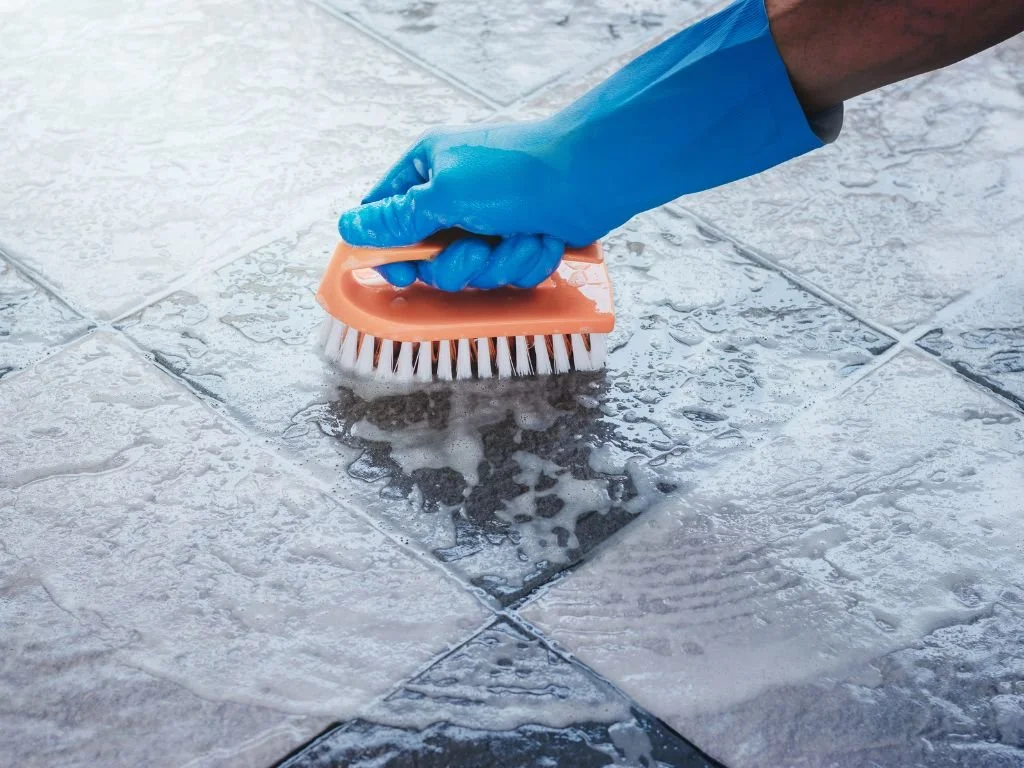
Grout is porous, so it can absorb oils, food residue, and dirty water more readily than glazed tile. Darkening may develop gradually, especially near cooking areas or showers. Mopping alone can move grime into grout lines instead of lifting it out. Professional tools can target these narrow channels while controlling moisture. Cleaner joints improve the overall appearance and reduce the buildup that makes routine upkeep harder.
Methods Should Match Materials
Ceramic, porcelain, natural stone, and unglazed tile do not respond identically to cleaning products. Acidic solutions may harm some stone, while excessive pressure can loosen weak grout or force water beneath tiles. A qualified technician should identify the material before selecting a cleaning method. Appropriate settings and compatible solutions help remove residue while protecting the surface. This careful match is one reason professional treatment can be safer than guesswork.
Residue Can Attract More Dirt
Some household cleaners leave a film when they are overused or poorly rinsed. That residue can make floors feel sticky and collect fresh dust sooner. Professional cleaning removes accumulated detergent and soil with controlled application and thorough recovery. Less leftover product means fewer particles clinging to the surface after treatment. Following product directions between appointments also helps preserve a clean finish.
Moisture Control Protects Tile
Water left in grout lines or beneath loose tiles can contribute to staining, odours, and deterioration. Bathrooms and laundry rooms need particular attention because repeated splashes keep joints damp. Professional cleaners manage water levels and use extraction equipment to remove excess moisture. Prompt drying after service supports healthier surfaces. Any persistent leak or loose tile still needs repair, since cleaning cannot correct underlying building problems.
Timing Supports Longer Service Life
Cleaning frequency depends on foot traffic, pets, cooking habits, and room use. A busy family kitchen may need professional attention more often than a rarely used guest bathroom. Regular inspection helps set a sensible schedule rather than waiting for severe discoloration. Many households combine daily sweeping with periodic deep cleaning, adjusting intervals when spills, renovation dust, or seasonal mud increase soil levels.
Early Signs Should Not Be Ignored
Grout that remains discoloured after ordinary cleaning may hold embedded soil or residue. A rough feel, recurring odour, or slick patch can also signal a problem. Professional assessment can distinguish removable buildup from cracked grout, damaged sealant, or a leak. Addressing the cause early can prevent stains from spreading and reduce the chance of more costly repairs. Cleaning restores appearance only when the underlying material remains sound.
Everyday Habits Extend Results
Simple routines help preserve the benefits of a deep clean. Dry sweeping or vacuuming removes grit before it is walked across the floor. Blotting spills quickly limits staining, while a damp microfibre mop can handle light soil without flooding joints. Furniture pads reduce scratches, and mats at exterior doors catch debris. These small steps support cleaner surfaces between professional visits.
Clean Tile Is Easier to Maintain
Professional service does more than improve appearance for a day. By extracting embedded soil, reducing residue, and treating grout appropriately, it helps limit wear linked to daily use. Material checks and moisture control also reduce avoidable risks during cleaning. Combined with basic household care, periodic treatment can keep tiled areas presentable and functional for longer, while helping owners identify repairs before damage spreads.
Conclusion
Well-maintained tile depends on more than regular mopping. Grit, absorbed spills, residue, and excess moisture can gradually affect both the surface and its grout. Professional cleaning addresses these issues with methods suited to the material and condition, while routine sweeping and prompt spill care help maintain results. A sensible schedule, supported by early checks for damage, can preserve appearance and reduce avoidable wear. That steady approach helps tiled spaces serve households for years.