
Introduction
Carpet cleaning methods differ in water use, drying time, stain treatment, and suitable applications. Steam cleaning flushes fibres with heated water and extraction, while dry cleaning uses limited moisture with an absorbent compound or specialised solvent. Each option can improve appearance when matched with carpet type and household needs. Knowing these differences helps property owners compare costs, plan appointments, and choose a process that supports cleaner floors without creating avoidable disruption.
Choosing a Suitable Local Service
Households comparing local services often need clear details about moisture, equipment, preparation, and expected drying periods. A professional bunbury carpet cleaning provider can explain which method suits each floor covering. Carpet age, fibre composition, staining, ventilation, and furniture placement all affect the recommendation. Accurate information helps residents arrange access, protect belongings, and return rooms to normal use with fewer interruptions.
How Steam Cleaning Works
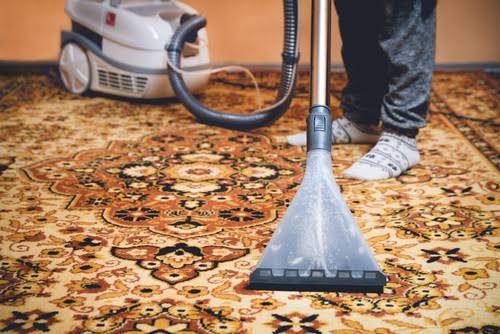
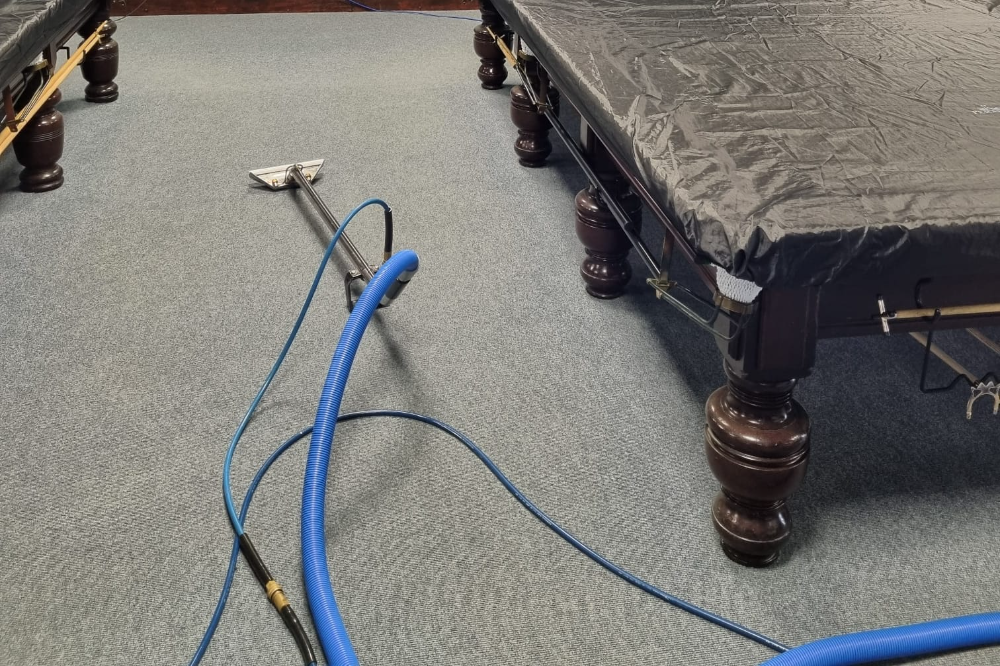
Steam cleaning, also called hot water extraction, injects heated water and cleaning solution into carpet fibres. Powerful equipment then removes moisture, soil, and suspended residue. This process reaches deeper layers than routine vacuuming. Technicians may pre-treat visible marks before extraction begins. The final drying period depends on air movement, humidity, carpet thickness, and the amount of liquid applied during treatment.
How Dry Cleaning Works
Dry carpet cleaning applies a low-moisture compound, powder, or solvent to the surface. Mechanical agitation helps the material absorb loose dirt from individual fibres. Equipment then removes the used compound and lifted particles. Because little water enters the backing, treated areas often dry sooner. This method can suit busy premises, delicate materials, and rooms that need quick access after service.
Moisture and Drying Time
Steam treatment usually leaves more moisture behind than low-water cleaning. Many carpets dry within several hours, although dense underlay or humid weather can extend that period. Fans, open windows, and steady airflow may shorten the wait. Dry cleaning generally permits earlier use, yet the exact timing depends on product type, equipment, and the technician’s process.
Soil and Stain Removal
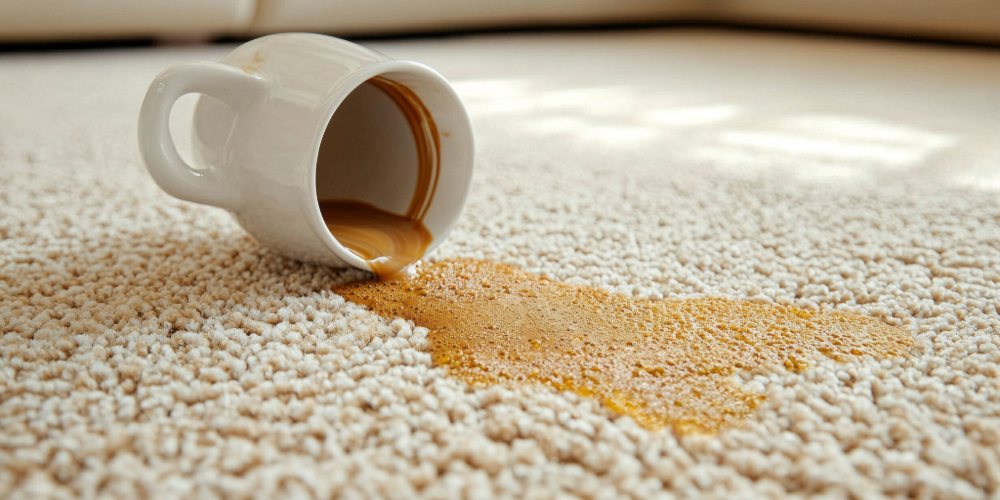
Deep soil, food spills, pet marks, and tracked grime may respond well to hot water extraction. Heat and controlled rinsing can loosen material held below the surface. Dry methods can remove everyday dust, light soil, and surface residue efficiently. Older stains may need separate treatment, regardless of the chosen system. Results also depend on stain age, fibre condition, and previous cleaning products.
Carpet Fibre Considerations
Synthetic fibres often tolerate both methods when technicians follow manufacturer guidance. Wool, jute, viscose, and other natural materials may require lower moisture and gentler handling. Excess water can affect shape, colour, or drying performance in sensitive coverings. A pre-service fibre check helps identify risks. Property owners should provide details about prior treatments, fading, repairs, and manufacturer care instructions.
Indoor Air and Residue
A thorough extraction process can remove dissolved soil, but excess moisture may encourage odour if drying remains incomplete. Low-moisture cleaning limits that concern, although leftover compound can create a gritty feel when removal is poor. Good ventilation supports fresher rooms after either option. The chosen service should include clear information about products, residue control, and recommended re-entry times.
Cost and Service Frequency
Prices vary according to room size, access, furniture, carpet condition, and treatment requirements. Steam cleaning may require more equipment, water, and drying management. Dry treatment can reduce downtime, which may matter to offices, rental properties, and busy households. Regular vacuuming and prompt spill care can extend the period between professional visits. A written quote makes comparisons fairer.
Preparing the Property
Before an appointment, residents can remove small objects, secure fragile items, and identify stained areas. Heavy furniture may need moving, depending on the service terms. Vacuuming removes loose debris, although technicians may complete additional preparation. Pets and children should remain away from treated rooms until the provider confirms safe access. These steps help equipment reach more floor area and support consistent results.
Selecting the Better Method
The right choice depends on carpet material, soil level, available drying time, and indoor conditions. Steam cleaning suits deeper restoration, while dry cleaning supports rapid room use and lower moisture. Neither option fits every floor covering or stain. A qualified technician can inspect the carpet, explain likely outcomes, and recommend a process based on evidence rather than appearance alone.
Conclusion
Steam cleaning and dry carpet cleaning serve different practical needs. Hot water extraction can provide deeper soil removal, while low-moisture treatment may reduce drying delays. Carpet fibre, stain type, ventilation, room use, and budget should guide the decision. Careful preparation also improves access and results. By requesting clear process details and realistic timing, property owners can choose a suitable service and maintain cleaner, more comfortable rooms with fewer surprises.