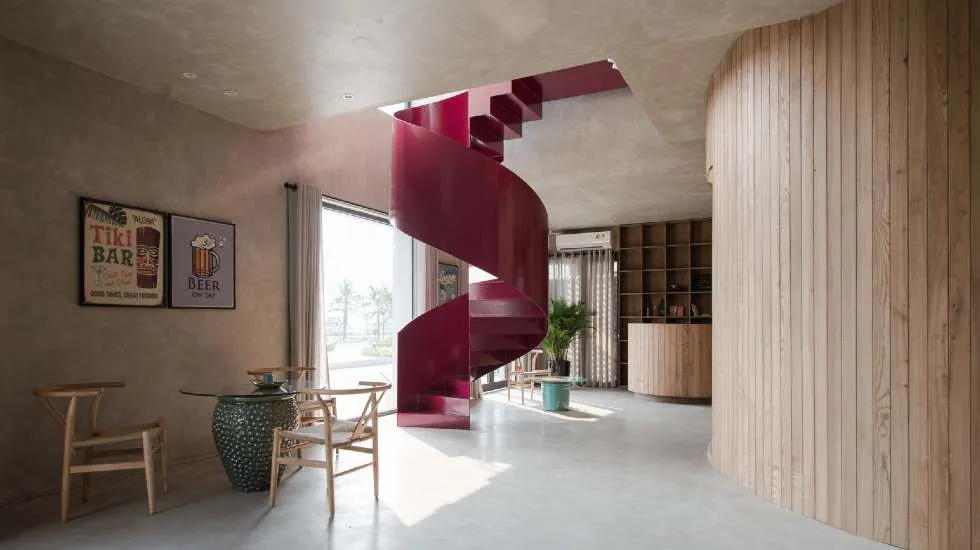

Polished concrete floors combine a clean appearance with practical performance in homes, offices, showrooms and industrial spaces. The finish uses existing or newly laid concrete, reducing the need for separate flooring materials. Grinding, grouting, hardening and polishing create a surface that handles regular foot traffic and remains easy to maintain. Project costs depend on preparation, floor size and finish requirements. These factors deserve close attention before assessing whether polished concrete suits a property and its budget.
A Finish Suited to Many Spaces
Melbourne property owners choose polished concrete for living areas, kitchens, offices, showrooms and factories. The finish suits new slabs and existing concrete, as long as the surface is suitable for treatment. Property owners should review information on preparation, aggregate exposure, gloss levels and polished concrete floors in Melbourne before requesting a quote.
Concrete suppliers provide different colours and mixes, while grinding controls the level of aggregate exposure. The final polishing stages determine whether the floor has a low, medium or high-gloss appearance.
Why Durability Matters
A polished concrete floor handles scratching, regular foot traffic and pets when the surface receives proper preparation and treatment. Its hard-wearing nature suits busy households, commercial interiors and industrial areas that experience heavy foot traffic.
The existing slab also affects the result. Porous, uneven or damaged concrete requires additional preparation before polishing. Stain treatment, degreasing, crack repairs and other corrective work increase labour and influence the final project cost.
Lower Maintenance Requirements
Polished concrete simplifies routine cleaning because the finished surface has no carpet fibres, grout lines or complex care requirements. Regular sweeping and mopping remove everyday dirt from a properly finished floor.
Polishing and sealing improve resistance to stains and chemicals. Concrete remains porous without treatment, so spills such as oil or wine can affect the surface. A suitable coating helps protect the floor and makes regular maintenance easier.
How the Process Affects Value
Mechanical polishing involves several stages, not a single treatment. The process begins with grinding, which exposes the concrete to the required depth. A three-step grouting process then fills holes, cracks and surface imperfections.
Concrete densifiers chemically harden the floor before resin polishing begins. Further polishing stages create the selected gloss level and refine the appearance. Each stage affects the floor’s performance, finish and suitability for the intended space.
Proper preparation protects the investment because the final appearance depends on the slab beneath it. A detailed assessment identifies surface defects, exposure requirements and the work needed before polishing starts.
What Determines the Cost?
Concrete polishing costs vary based on surface condition, project size, and installation requirements. A floor that needs stain treatment or degreasing requires more preparation than a clean, even slab.
Larger projects often involve more labour, equipment and planning. The required exposure level and gloss finish also influence the work involved. The supplied pricing guide places polished concrete between $3 and $12 per square foot, although labour and material costs can change the final amount.
A written quote should include preparation work, the proposed finish, and any sealing or coating requirements. This allows property owners to compare estimates against the same scope rather than choosing on price alone.
When Polished Concrete Makes Sense
Polished concrete suits owners who value a durable floor with simple maintenance requirements. It works particularly well where the existing slab provides a solid base and the space is used regularly.
The finish also supports long-term design flexibility. A polished floor can suit contemporary homes, practical factories and professional commercial interiors without requiring replacement when surrounding decor changes.
Conclusion
Polished concrete floors deserve consideration when durability, cleaning requirements and long-term appearance matter more than the initial installation price. The finished result depends on a suitable slab, proper preparation, and a finish suited to the room’s use. Property owners should arrange a site assessment before choosing a gloss level or approving a quote. Comparing preparation requirements, exposure options and total project costs provides a sound basis for the flooring decision.